Online safety training
Lone Worker Safety
Lone Worker Safety is a 30-minute online course for employees, supervisors and employers on the risks and responsibilities of working alone in Canadian workplaces. It covers what lone working means, employer and employee responsibilities, legal requirements, hazard identification and risk assessment, control measures, monitoring and check-ins, and real-life case studies.
Duration
30m
On completion
Certificate, valid 36 month(s)
Coverage
All Provinces
Per seat
$29.99 CAD
You set up a training profile before you pay. It asks for more than a normal checkout does - your employer, your role, an emergency contact - because this is a training record, not a shopping cart. It is the file an auditor asks to see, and it is why you can pull your certificate up years from now instead of hunting for a PDF in your email. Give yourself five minutes and do it once.
Trusted by Canadian operators






About the course
What this course covers.
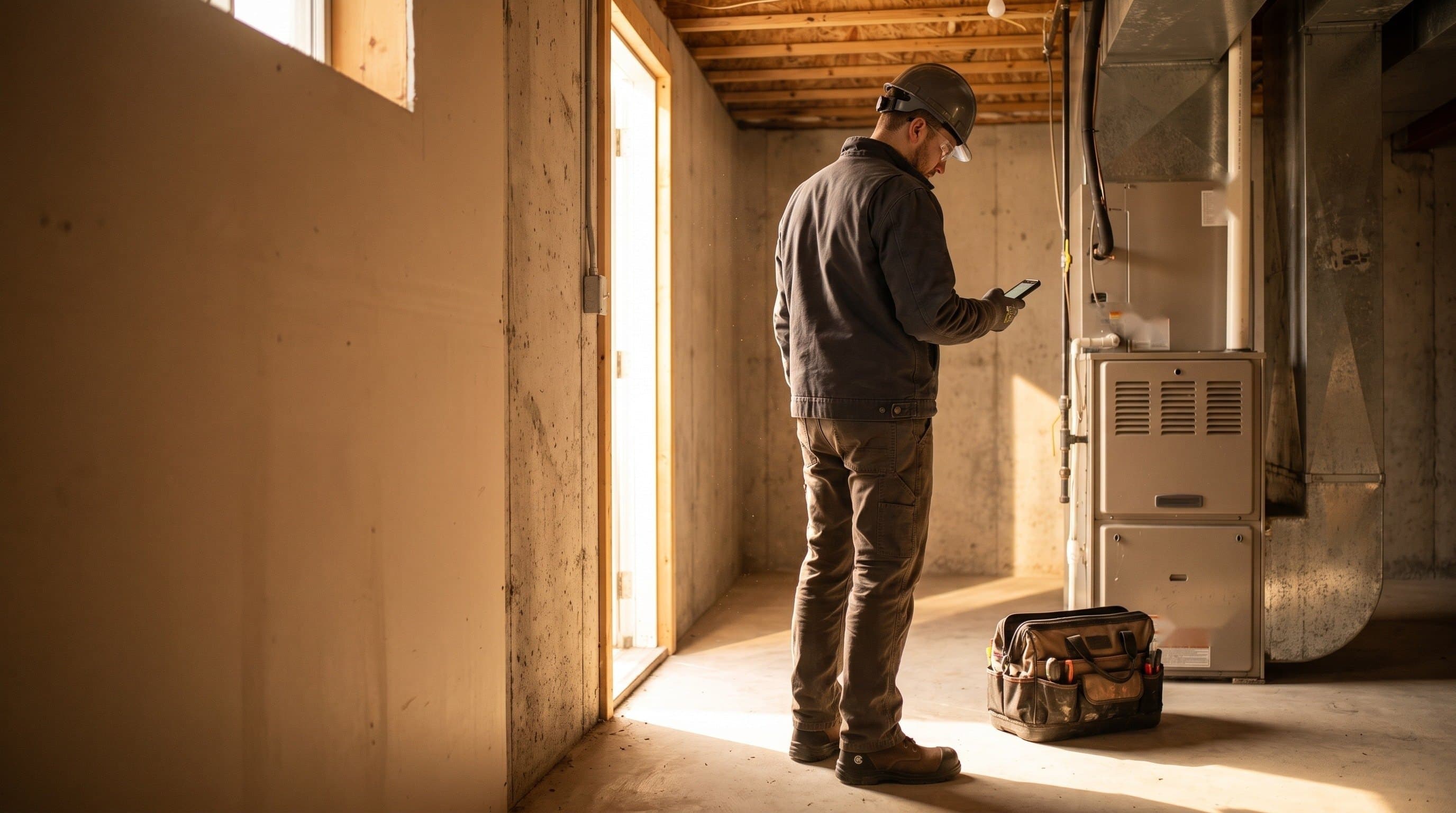
A lone worker is anyone whose work puts them out of sight and earshot of help: the technician on a service call, the night clerk, the operator checking remote wells, the home care worker. When something goes wrong, the gap between the incident and the arrival of help is where the real harm happens. Canadian workplaces are expected to close that gap, and this short course explains how.
It begins with what it means to be a lone worker and the responsibilities of employers and employees, then sets out the legal requirements that apply. From there it covers how to identify hazards and assess the risk of working alone, and the control measures and safe work practices that reduce it, from planning the work to limiting high-risk tasks when nobody else is present.
The most important section is monitoring: the communication systems and regular check-ins that make sure a lone worker who stops responding is noticed quickly. The course finishes with case studies that show lone worker safety guidance applied to real situations. At 30 minutes and a low price, it is an efficient way to train a whole workforce on the basics, with longer working alone courses available for those who manage the program.
Pass mark 80%
Score the pass mark to earn the certificate.
Course outline
6 modules, start to finish
Each module ends with a short knowledge check before you move on.
Definition of lone working
What it means to be a lone worker and how to recognise lone work in your operation.
Responsibilities and legal requirements
What employers and employees are each responsible for, and the legal requirements that apply.
Risk assessment and hazard identification
Identifying the hazards of working alone and assessing the risk.
Control measures and safe work practices
Controls and practices that reduce the risk of working alone.
Monitoring and check-ins
Communication systems, check-in schedules and responding when contact is missed.
Case studies
Real-life examples of lone worker safety guidance in action.
Developed to meet Canadian and provincial standards
What every course includes
Printable and mailed certificates
Digital wallet and wall-sized certificates print the moment the course is passed.
Standards compliant
Built on Canadian federal and provincial legislation, safety standards, and industry best practice.
Self-paced
Unlimited access to the training material. Pause and resume the course any time.
Live student support
Real support is available seven days a week if a learner gets stuck.
Unlimited exam attempts
The exam can be retaken until the learner reaches a passing grade.
Record of training
Training records are stored securely for three years and pulled on demand from the account.
Who it is for
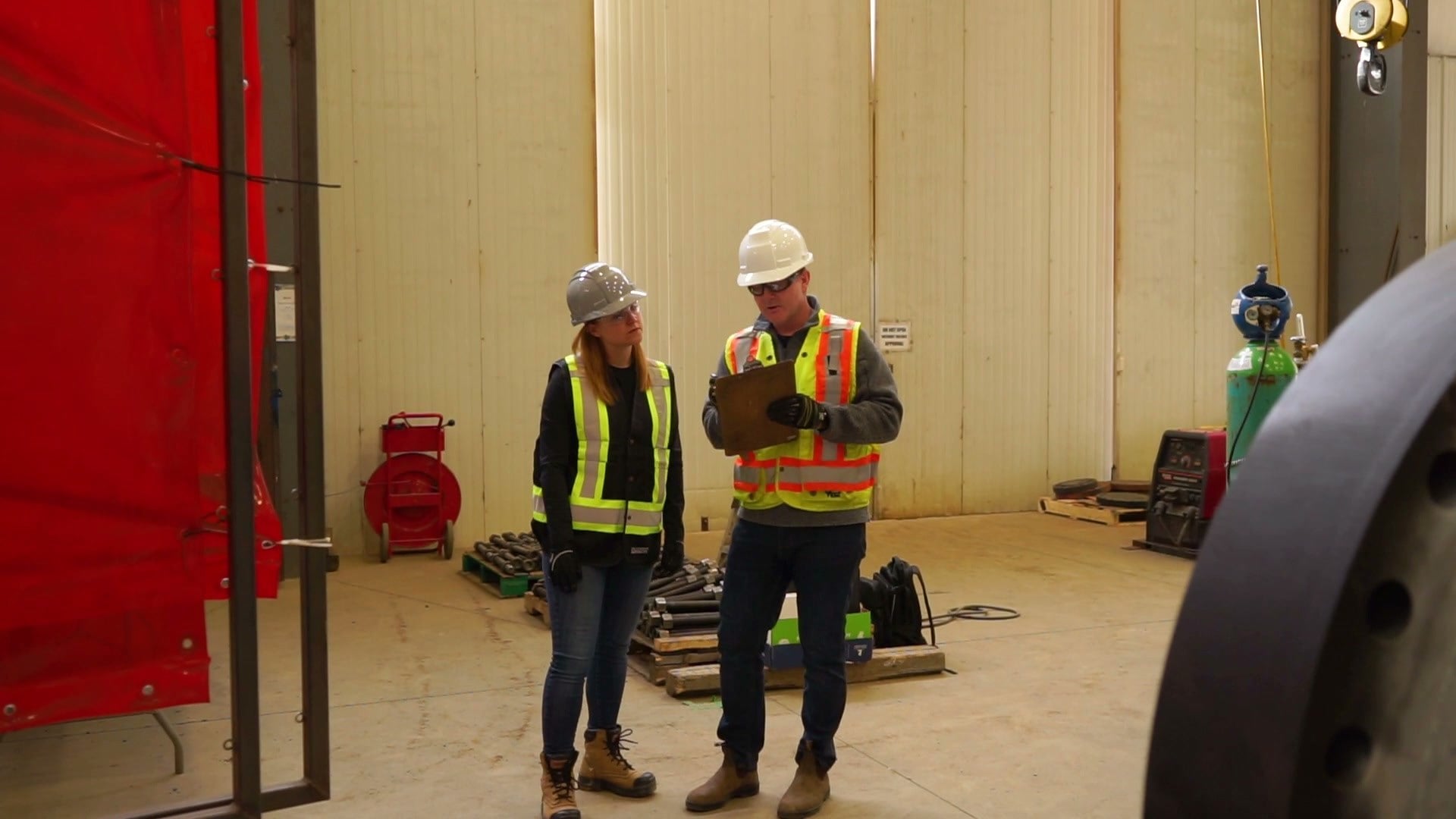
Built for the people running the work
- Employees who sometimes or regularly work alone
- Service technicians, operators, drivers and night staff
- Supervisors responsible for check-ins
- Employers introducing a working alone procedure
- Small businesses where staff often work solo
What you walk away with
Able to do the job, not just describe it
- Explain what it means to be a lone worker
- Recognise employers' legal obligations for lone workers
- Identify hazards and put controls in place
- Use communication systems and check-ins effectively
- Apply lone worker guidance to real situations
Pricing
One seat or the whole crew, priced fairly.
A single seat is $29.99 CAD. Buying one at a time, ask our safety experts for 10 percent off your first course. Training more than two or three people is cheaper through a free On-Track Safety corporate account, which also tracks every certificate and renewal date for you. Move the slider to see the difference.
- Free corporate account, no setup fee
- 20 percent off every course for the first three months
- Automatic certificate and expiry tracking for your whole team
Team pricing
What it costs to train your crew
Individual purchases
One seat at a time, list price
$149.95
Individually with a 10% code
Ask our safety experts for a code
$134.95
Through a free corporate account
20% off every course, first three months
$119.96
A corporate account saves you
$29.99
on 5 seats of Lone Worker Safety
No setup fee. The account also tracks every certificate and expiry date for you.
Certificate and format
How the course runs
Your certificate
Pass at 80 percent to download a certificate of completion, valid for 36 months from the completion date.
- Fully online and self-paced, about 30 minutes
- Written for Canadian workplaces
- Includes real-life case studies
- Instant access once the seat is purchased
- Valid for 36 months
Why it matters for compliance
In Alberta, Part 28 of the OHS Code treats working alone as a hazard, requiring the employer to assess it (section 393) and to provide an effective communication system with contact at appropriate intervals (section 394). Other provinces and federal workplaces have comparable requirements. Employers must also train workers on their own working alone procedure.
Common questions
Questions buyers ask
Who counts as a lone worker?
- Generally, anyone working where help is not readily available if they are injured, become ill or face an emergency. The course explains the definition and how to recognise lone work in your own operation.
What must an employer do for lone workers in Alberta?
- Under Part 28 of the Alberta OHS Code, assess the hazards of working alone and provide an effective communication system, with contact at intervals suited to the hazard.
How much does the course cost?
- The course is 29.99 CAD per seat. Ask our safety experts for 10 percent off your first course, or a free On-Track Safety corporate account for 20 percent off every course for the first three months.
How is this different from the other working alone courses?
- This is the shortest and lowest-priced option. Working Alone (Lone Worker) is a 45-minute course with more on policies and check-in procedures, and Working Alone is a longer course for those running the program.
How long is the certificate valid?
- 36 months from the completion date.
Does it include examples?
- Yes. Case studies show lone worker safety guidance applied to real-life situations.
What is a check-in system?
- An agreed way for a lone worker to confirm they are safe at set intervals, by phone, radio, app or another device, with a plan for what happens if a check-in is missed. The course covers how to set one up and use it.
Is this course enough for a working alone program?
- It covers the essentials for workers. Employers building or running a program should also train the people responsible for check-ins and write a procedure specific to their own work.
Get your team trained, on the record.
Enrol one person now, or set up a free corporate account and train the whole crew at 20 percent off with every certificate tracked for you.