Online fleet safety training
Journey Management
Journey Management is a 30-minute online course on planning and controlling work travel so road journeys are safer for everyone in a company. It covers the elements of a journey management program, its policies and procedures, the journey planning process before, during and after a trip, roles and responsibilities, documentation, and the use of risk scorecards.
Duration
30m
On completion
Certificate, valid 36 month(s)
Coverage
All Provinces
Per seat
$49.99 CAD
You set up a training profile before you pay. It asks for more than a normal checkout does - your employer, your role, an emergency contact - because this is a training record, not a shopping cart. It is the file an auditor asks to see, and it is why you can pull your certificate up years from now instead of hunting for a PDF in your email. Give yourself five minutes and do it once.
Trusted by Canadian operators






About the course
What this course covers.
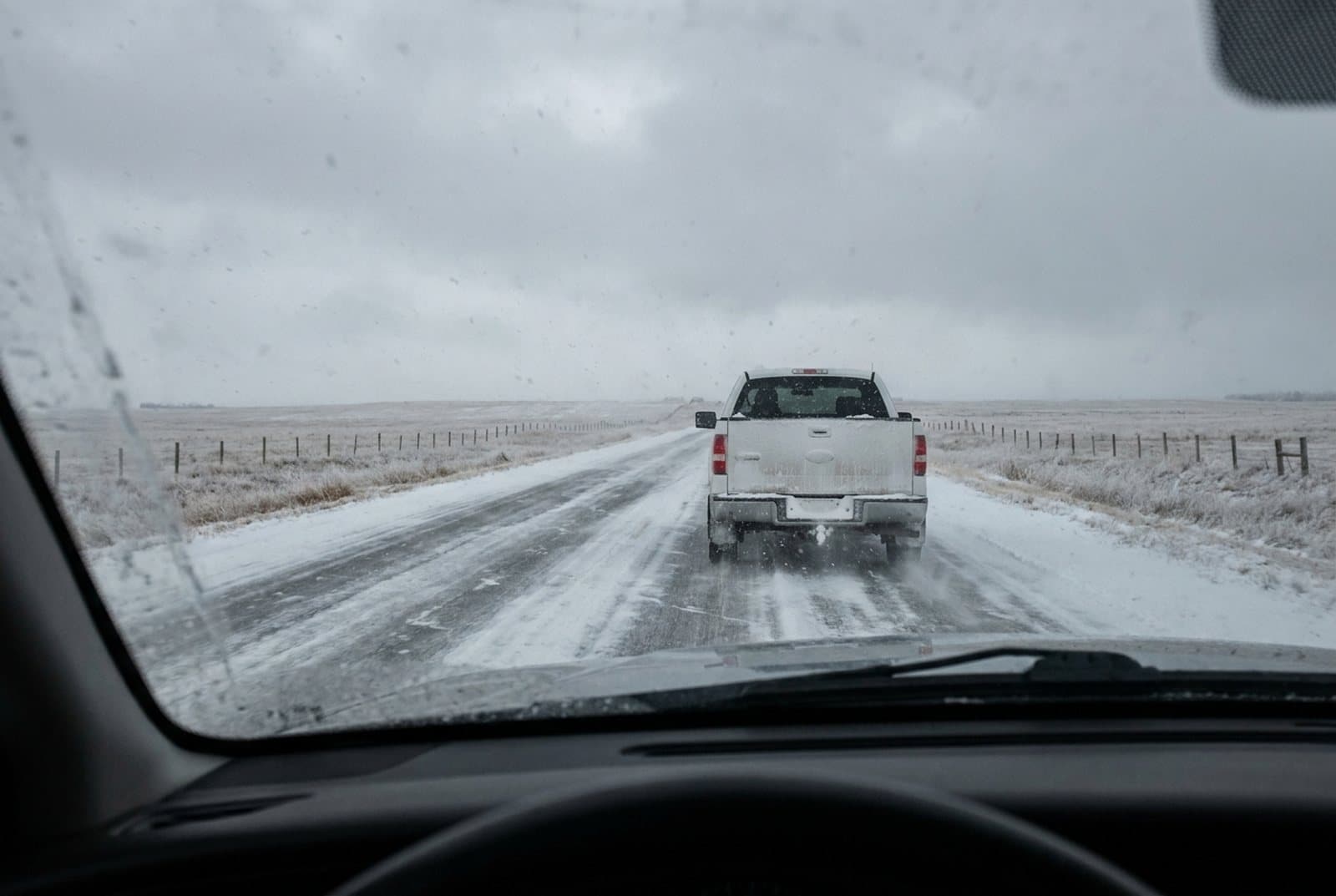
For many field companies, the drive to the job is the most dangerous part of the day. Long distances, gravel lease roads, fatigue, wildlife and weather add up, and a crew that leaves without a plan has nobody watching for them if something goes wrong. Journey management turns that drive into a planned, monitored activity, combining written policies with a standard way of planning every trip.
This course explains the underlying principles and gives guidance on creating or improving each element of a typical journey management program. It covers the purpose of a program and the elements that make one up, how to craft the policies and procedures behind it, and the roles and responsibilities of the people involved, from the driver to the person monitoring the journey.
The heart of the course is the journey planning process: pre-trip, en route and post-trip procedures, trip documentation, and best practices. It also covers the creation and use of risk scorecards, which help a company decide which journeys need extra controls or should not happen at all. It suits fleet managers, safety coordinators and supervisors building a program, as well as the drivers who will follow it.
Pass mark 80%
Score the pass mark to earn the certificate.
Course outline
6 modules, start to finish
Each module ends with a short knowledge check before you move on.
The purpose of journey management
Why a journey management program exists and what it protects.
Program elements
The elements that make up a typical journey management program.
Policies and procedures
Crafting the written policies and procedures that support the program.
The journey planning process
Pre-trip, en route and post-trip procedures, trip documentation and best practices.
Roles and responsibilities
Who does what in a journey management program, from driver to monitor.
Risk scorecards
Creating and using risk scorecards to decide which journeys need more control.
Developed to meet Canadian and provincial standards
What every course includes
Printable and mailed certificates
Digital wallet and wall-sized certificates print the moment the course is passed.
Standards compliant
Built on Canadian federal and provincial legislation, safety standards, and industry best practice.
Self-paced
Unlimited access to the training material. Pause and resume the course any time.
Live student support
Real support is available seven days a week if a learner gets stuck.
Unlimited exam attempts
The exam can be retaken until the learner reaches a passing grade.
Record of training
Training records are stored securely for three years and pulled on demand from the account.
Who it is for
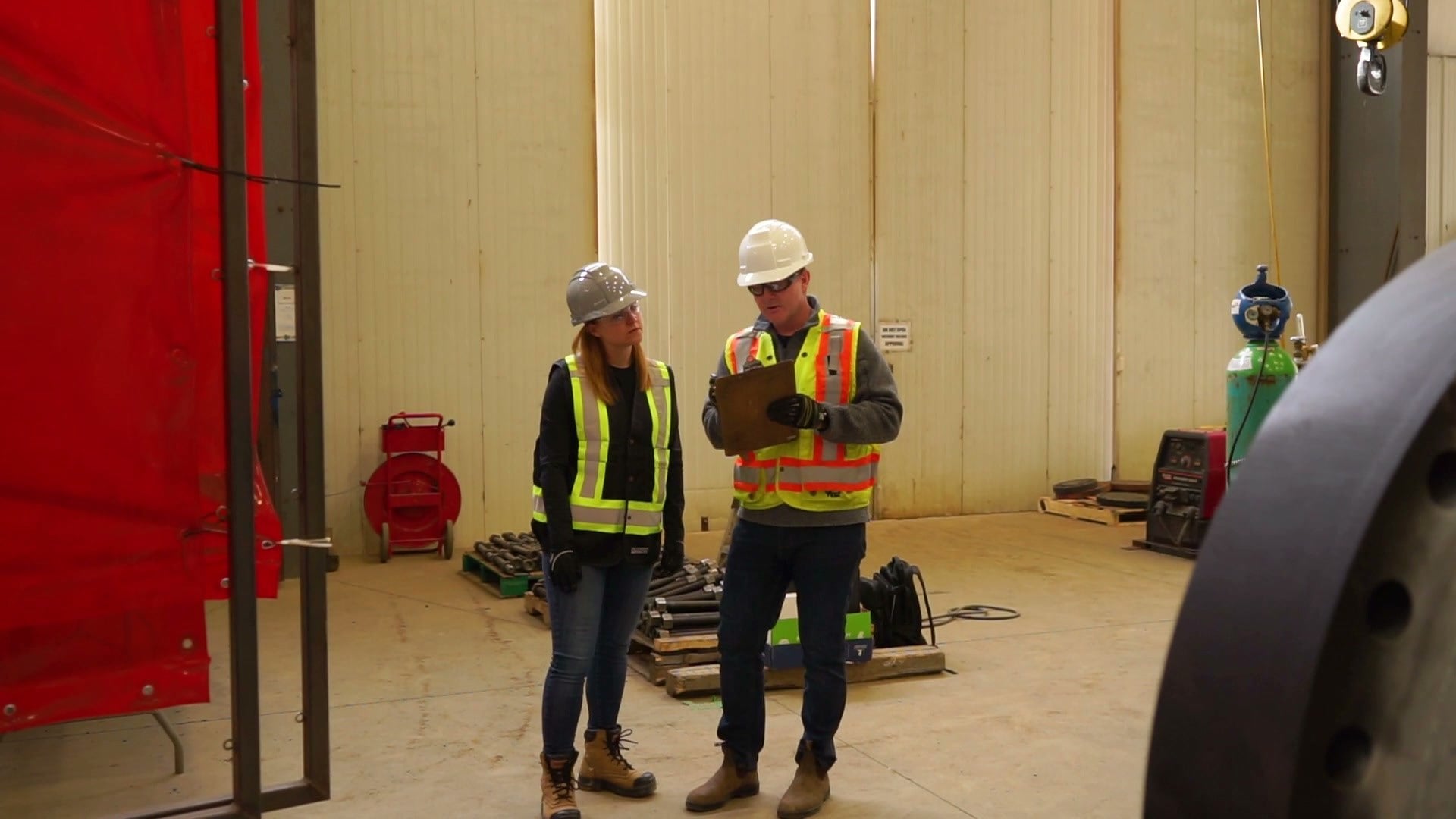
Built for the people running the work
- Fleet managers and safety coordinators building a journey management program
- Supervisors who approve and monitor work travel
- Drivers who travel to remote or rural sites
- Oil and gas, utility, survey and environmental field companies
- Companies with employees who work alone on the road
What you walk away with
Able to do the job, not just describe it
- Explain the purpose and elements of a journey management program
- Draft journey management policies and procedures
- Plan a journey through pre-trip, en route and post-trip steps
- Assign journey management roles and responsibilities
- Use a risk scorecard to assess a journey
Pricing
One seat or the whole crew, priced fairly.
A single seat is $49.99 CAD. Buying one at a time, ask our safety experts for 10 percent off your first course. Training more than two or three people is cheaper through a free On-Track Safety corporate account, which also tracks every certificate and renewal date for you. Move the slider to see the difference.
- Free corporate account, no setup fee
- 20 percent off every course for the first three months
- Automatic certificate and expiry tracking for your whole team
Team pricing
What it costs to train your crew
Individual purchases
One seat at a time, list price
$249.95
Individually with a 10% code
Ask our safety experts for a code
$224.96
Through a free corporate account
20% off every course, first three months
$199.96
A corporate account saves you
$49.99
on 5 seats of Journey Management
No setup fee. The account also tracks every certificate and expiry date for you.
Certificate and format
How the course runs
Your certificate
Pass at 80 percent to download a certificate of completion. The course can be taken three times. No expiry period is listed.
- Fully online and self-paced, about 30 minutes
- Practical guidance for building or improving a program
- Mobile-friendly, pause and resume at any point
- Instant access once the seat is purchased
- Certificate available as soon as the course is passed
Why it matters for compliance
Employers must assess and control the hazards their workers face, and driving to and between work sites is a hazard. Where a worker drives alone to a remote site, working alone requirements also apply; in Alberta, Part 28 of the OHS Code requires an effective communication system for lone workers. A journey management program is a common way to meet both expectations.
Common questions
Questions buyers ask
What is journey management?
- A program of written policies and a standard planning process that makes work travel safer: planning before the trip, monitoring during it, and closing it out after. The course explains how to build one.
What is a risk scorecard?
- A tool that rates a planned journey on factors such as distance, road conditions, time of day and driver fatigue, so a company can decide whether the journey needs extra controls. The course covers how to create and use one.
How much does the course cost?
- The course is 49.99 CAD per seat. Ask our safety experts for 10 percent off your first course, or a free On-Track Safety corporate account for 20 percent off every course for the first three months.
Who should take this course?
- People who build or run a journey management program, such as fleet managers, safety coordinators and supervisors, and the drivers who will follow it.
How does journey management relate to working alone?
- A worker driving alone to a remote site is often working alone. Journey management check-ins can form part of the communication system working alone rules require.
How long does it take?
- About 30 minutes.
What happens after the trip?
- Post-trip procedures close out the journey: the driver confirms arrival, the monitor closes the journey plan, and any issues are recorded. The course covers pre-trip, en route and post-trip steps.
Is journey management only for oil and gas?
- No. It started in high-risk industries but works for any company whose employees drive to remote, rural or unfamiliar locations, including utilities, survey, environmental and service companies.
Get your team trained, on the record.
Enrol one person now, or set up a free corporate account and train the whole crew at 20 percent off with every certificate tracked for you.