Drivers and Fleet
Driver safety training that keeps your fleet compliant.
101 certificate-tracked courses covering National Safety Code requirements, Hours of Service (provincial and federal), cargo securement, TDG, and more. Built for Canadian commercial vehicle operators.
Compliance basics
What NSC compliance actually means for your fleet.
The National Safety Code is the 16-standard framework every Canadian carrier follows to keep its Safety Fitness Certificate. The standards cover Hours of Service, Cargo Securement, Vehicle Maintenance, Daily Trip Inspection, facility audits, and your Carrier Profile. Federal TDG and WHMIS sit alongside NSC — both mandatory, both audit-checked. Training is the input that proves your drivers are competent during a roadside inspection or facility audit. The four facts below are what compliance actually requires you to maintain.
Required to operate
Safety Fitness Certificate
Issued by your province. Required for any commercial vehicle over 4,500 kg crossing borders, or 11,794 kg within a province. Lose your rating, lose your operating authority.
Pre-Entry Program required for new AB carriers
24-month rolling
Carrier Profile
Every CVSA inspection, conviction, and collision lives on your profile. Insurers, brokers, and contractor pre-qual platforms (ISN, ComplyWorks, Avetta) read it.
Facility audits now appear on AB profiles
Auditor checks
Training Records
Every driver file must hold proof of current training for every certification they need. Missing or expired certs become audit findings and drop your safety rating.
Kept current + 2 years post-expiry
Roadside-ready
Digital Certificates
Our courses generate audit-friendly certificates with worker name, course title, completion date, and expiry. Instant download. Stored for 3 years.
90/60/30-day expiry alerts built in
Decision framework
Which courses does your fleet need?
Pick the operation profile that matches your fleet. We will show you the regulatory floor and the training insurers, auditors, and contractor pre-qual platforms expect to see.
General Freight
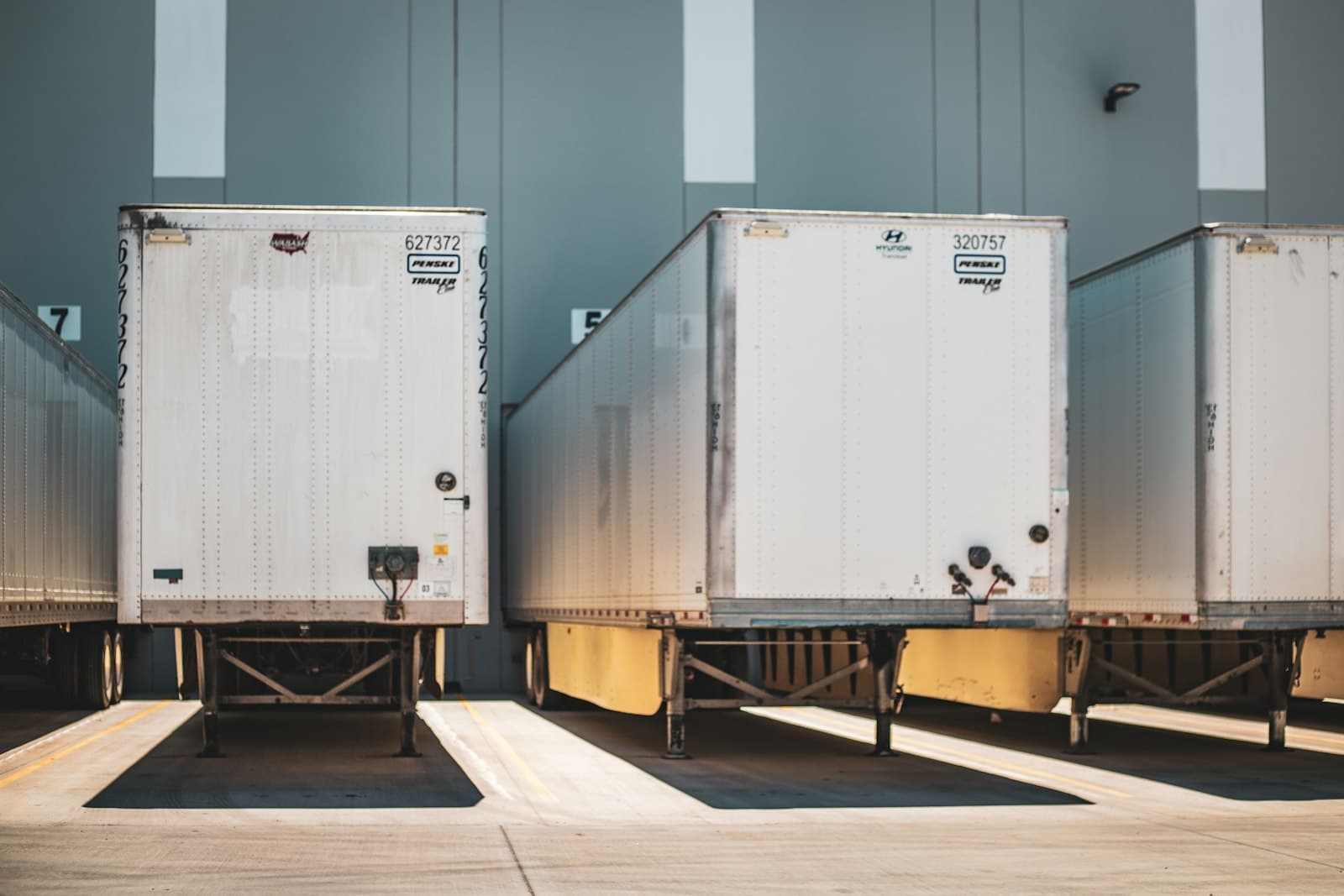
You haul general freight within one province.
- ·Single-province routes
- ·Class 1 or 3 drivers
Long-Haul / Cross-Border
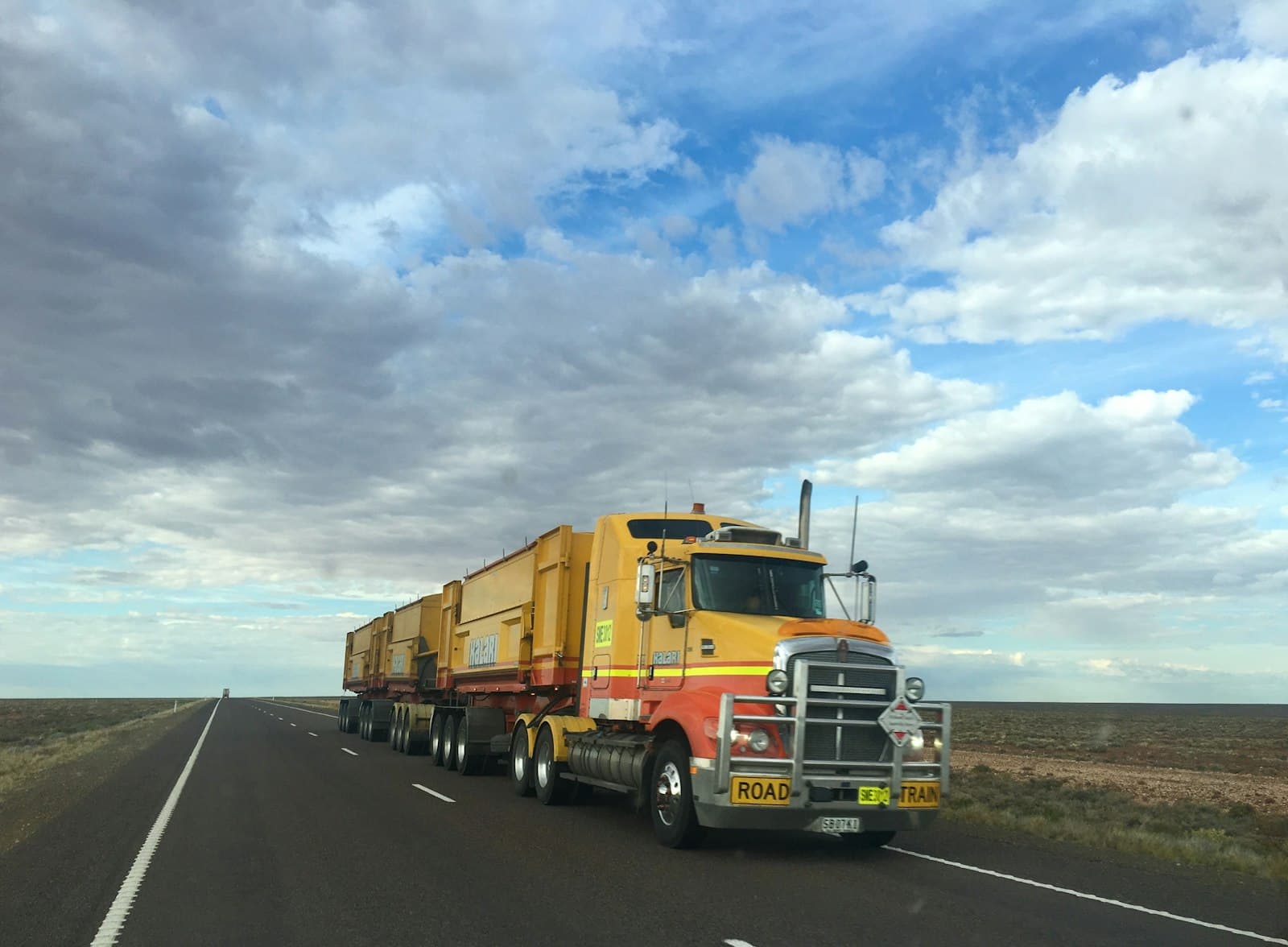
You cross provincial or international borders.
- ·Inter-provincial or Canada and US
- ·Mandatory ELD since June 2021
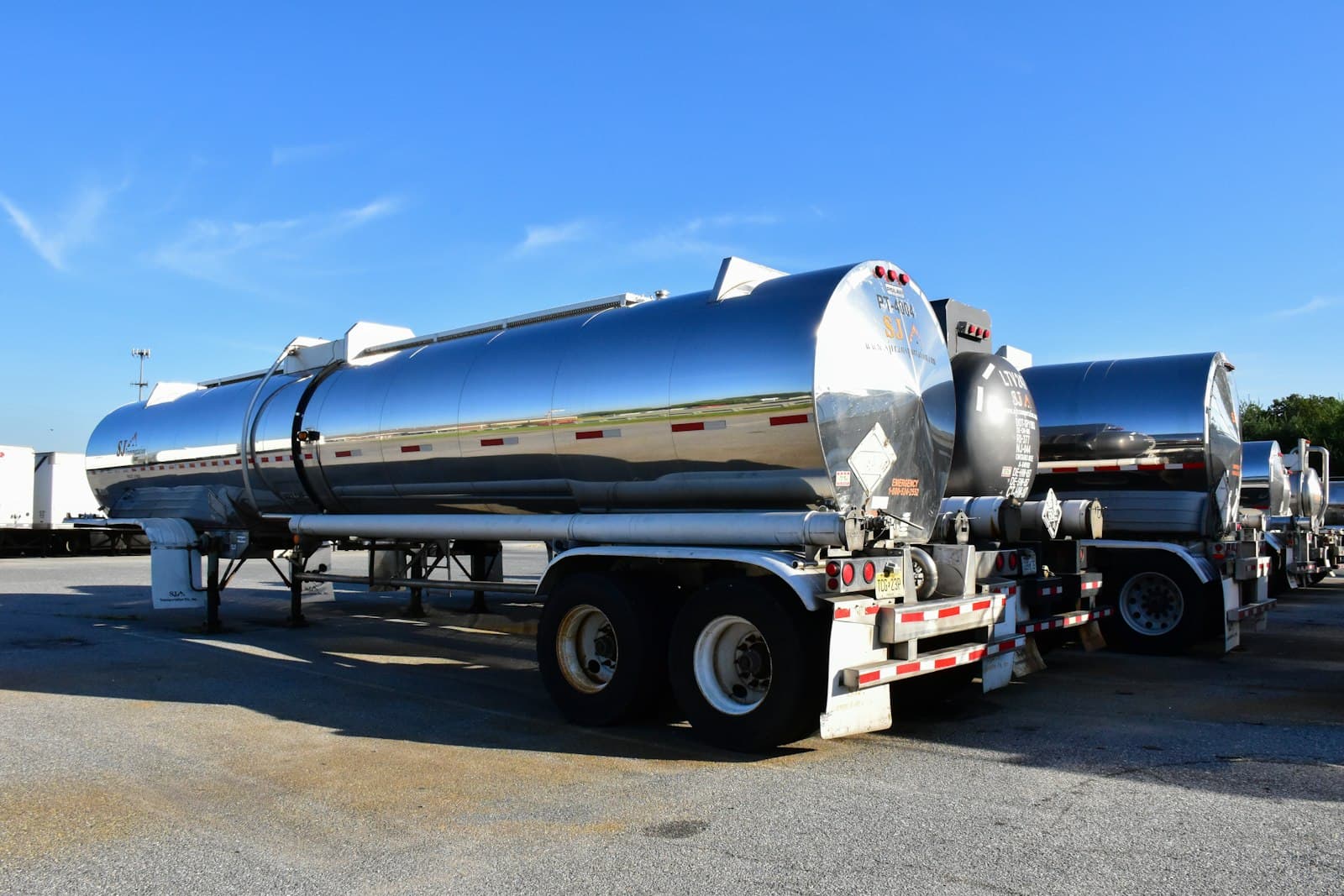
Dangerous Goods
You haul propane, fuel, chemical, or hazmat.
- ·Any Schedule 1 dangerous good
- ·Drivers carry physical TDG cert

Oilfield / Resource Trucking
You enter Alberta, BC, or Saskatchewan oil and gas sites.
- ·Lease roads, vac, picker, swamper
- ·Fuel and oilfield service vehicles

Flatbed / Heavy Haul
You haul flatbed, oversize, or vocational loads.
- ·Steel, lumber, equipment, machinery
- ·Permitted oversize / overweight

Bus / Passenger
You operate a bus with more than 10 passenger seats.
- ·Charter, transit, school, motorcoach
- ·First-aid kit on board
Required
Recommended
Compliance catalogue
The compliance training Canadian fleets need.
Organized by what you actually buy training for — not by NSC standard number. Start with a pre-built bundle if your fleet fits, or pick courses category by category.
Alberta provincial bundle
All 4 NSC courses — AB carriers
Trip Inspection, Cargo Securement, Provincial HOS, Weights and Dimensions.
Federal compliance bundle
Federal driving compliance
Trip Inspection, Cargo Securement, Federal HOS — inter-provincial and federally regulated carriers.
NSC Core
The training every commercial driver needs to satisfy National Safety Code requirements during a roadside inspection or facility audit.
Dangerous Goods and Hazmat
TDG and WHMIS — federally mandated training for anyone hauling, handling, or exposed to hazardous products at work.
+ 3 more in this categoryOilfield and Resource Trucking
Energy-sector certifications for drivers entering Alberta, BC, or Saskatchewan oil and gas sites.
+ 4 more in this categoryFlatbed and Specialty Loads
Cargo securement variants, weights and dimensions, and load-specific training for vocational and specialty fleets.
+ 4 more in this categoryDriver Wellness and Defensive Skills
Defensive driving, fatigue management, and distracted driving — the training insurers and contractor pre-qual platforms look for.
Carrier Compliance Programs
Audit prep, driver-file management, and the carrier-side programs that keep your Safety Fitness Certificate clean.
+ 2 more in this categoryProvincial vs Federal HOS
Alberta is the only province with a provincial HOS option.
Does any vehicle ever cross a provincial border? No → Provincial Alberta. Yes → Federal.
Provincial HOS — Alberta only
For carriers whose vehicles never leave Alberta and are not in a federally regulated industry. Governed by AR 317/2002.
Provincial Hours of Service (Alberta)$99.99Federal HOS — everywhere else
For carriers who cross any border, federally regulated industries, or carriers based in BC, SK, MB, ON, and east. Governed by SOR/2005-313.
Federal HOS — Canadian Regulations$94.99Drivers crossing into the US need the Federal HOS — Canadian and US Regulations course (Transport Canada plus FMCSA).
Most popular
Top driver and fleet courses
Each course includes a digital certificate. Use code ONTRACK10 for 10% off individual purchases, or set up a free corporate account for 20% off your first three months.
 $89.9936 Month(s)
Daily Trip Inspection Training
This online course provides instruction on how to complete a Daily trip Inspection that follows the National Safety Code (Standard 13) regulations.
 $89.9936 Month(s)
Daily Pre-Trip Inspection
This online course provides drivers with an understanding of how to properly perform their required inspections, as per National Safety Code compliance, and explains how to address any defects that...
 $49.9936 Month(s)
Commercial Weights and Dimensions
This online course is designed as a general guideline to help commercial vehicle operators understand Alberta weight and dimension limits and the importance of adhering to them.
 $49.99
Cargo Securement
This online Cargo Securement Basics course is designed to teach you how to secure your cargo in accordance with the North American Cargo Securement Standard (National Safety Code – Standard 10).
 $49.9936 Month(s)
Basic Load Securement Training
This training module has been designed to assist with instruction in Basic Load Securement and reviews the fundamental information required in the Alberta Regulations Standard 10.
 $99.99Alberta36 Month(s)
Provincial Hours of Service (Alberta)
This online Provincial Hours of Service (Alberta) course explains the hours of service limits set out by Alberta Regulation 317/2002 and how they apply to provincially regulated carriers and drivers.
 $54.99Alberta36 Month(s)
Provincial Hours of Service Course Alberta Regulations
This course outlines the regulations a driver must follow when operating under the Alberta provincial hours of service rules.
 $65.99
Defensive Driving - Large Vehicles
This online Defensive Driving for Large Vehicles course is designed to provide drivers of large vehicles with the knowledge and safe driving techniques they need to prevent collisions and violations.
 $94.99Federal36 Month(s)
Federal Hours of Service Course - Canadian Regulations
This Canadian Hours of Service course covers the regulations that a driver must follow.
 $114.99Alberta
AMA Demerit Reduction Defensive Driving - Alberta Only
This AMA-certified online Demerit Reduction Defensive Driving course helps Alberta licence holders sharpen hazard recognition and safe driving habits while removing up to three demerit points from their driving record.
 $99.9936 Month(s)
Hours of Service - Canada
This online course is designed to provide an overview of Canada’s Federal Hours of Service regulations and enable an understanding of the legislation.
 $49.9936 Month(s)
Weights & Dimensions (Safety Laws)
This training module has been designed to assist with instruction in Weights & Dimensions and Safety Laws and reviews the basic information required in the Alberta Regulations.
Save on team training
Set up a free fleet account. Save 20% for 3 months.
Buy for one driver or fifty. Corporate accounts get bulk pricing, a centralised training matrix, automated expiry alerts at 90, 60, and 30 days, and audit-ready certificate exports — all on one branded portal.
- 20% off all courses for 3 months
- Bulk pricing on every course
- Centralised training matrix
- Auto expiry alerts
- Audit-ready certificate exports
- Branded with your company logo
Sample savings
10-driver fleet · 5 courses each
Individual buyers can still use code ONTRACK10 for 10% off any single course.
Common mistakes
Six compliance mistakes Canadian fleets make.
These come up every audit and roadside inspection cycle. Most are easy to fix once a fleet manager sees the rule clearly.
The myth
“Pre-Trip Inspection is just kicking the tires.”
The reality
Daily Trip Inspection under NSC Standard 13 is a documented 30+ item inspection with a written report and a defect-reporting chain to the carrier. No report on file means a roadside out-of-service.
The myth
“TDG certificates are good forever.”
The reality
Road TDG must be renewed every 3 years, and the certificate must be re-signed by the driver's current employer. Switching jobs voids the old certificate.
The myth
“Online First Aid satisfies Alberta worksite OHS requirements.”
The reality
Alberta OHS requires in-person certification for worksite first aid. Online First Aid is fine for general knowledge but will not satisfy an OHS audit.
The myth
“We are provincial-only, so federal HOS does not apply.”
The reality
Once a single vehicle crosses any provincial border, the entire carrier is reclassified as federal. Every driver — even those who never leave the home province — must follow federal HOS.
The myth
“WHMIS only applies to warehouse workers, not drivers.”
The reality
Drivers handle fuel, cleaners, solvents, and oilfield chemicals. WHMIS 2015 applies to anyone exposed to controlled products at work — including federally regulated transport workers.
The myth
“Class 1 MELT covers all the training we need.”
The reality
MELT is entry-level. It does not satisfy TDG, WHMIS, cargo securement specifics, H2S Alive, ground disturbance, or ongoing role-specific training. Carriers still need a full training matrix on top of MELT.
Why it matters
Documented training protects your fleet during an inspection or audit.
Transport Canada and provincial authorities can audit your carrier profile at any time. If a driver is involved in an incident and training records are missing, the liability lands on you. Digital certificates with names, dates, and expiry timestamps are exactly what auditors want to see.
Roadside inspections
Inspectors under NSC Standard 16 can check driver training records. Certificate on hand — move on. No record — violation.
COR and SECOR audits
Training records are a scored element in COR and SECOR audits. Gaps in driver training directly affect your audit score.
Incident liability
Undocumented training means undocumented competency. Courts and insurance adjusters look at training records when assigning fault.
Expiry tracking
Most driver certifications expire in 3 years. Automated alerts at 90, 60, and 30 days keep renewals from falling through.
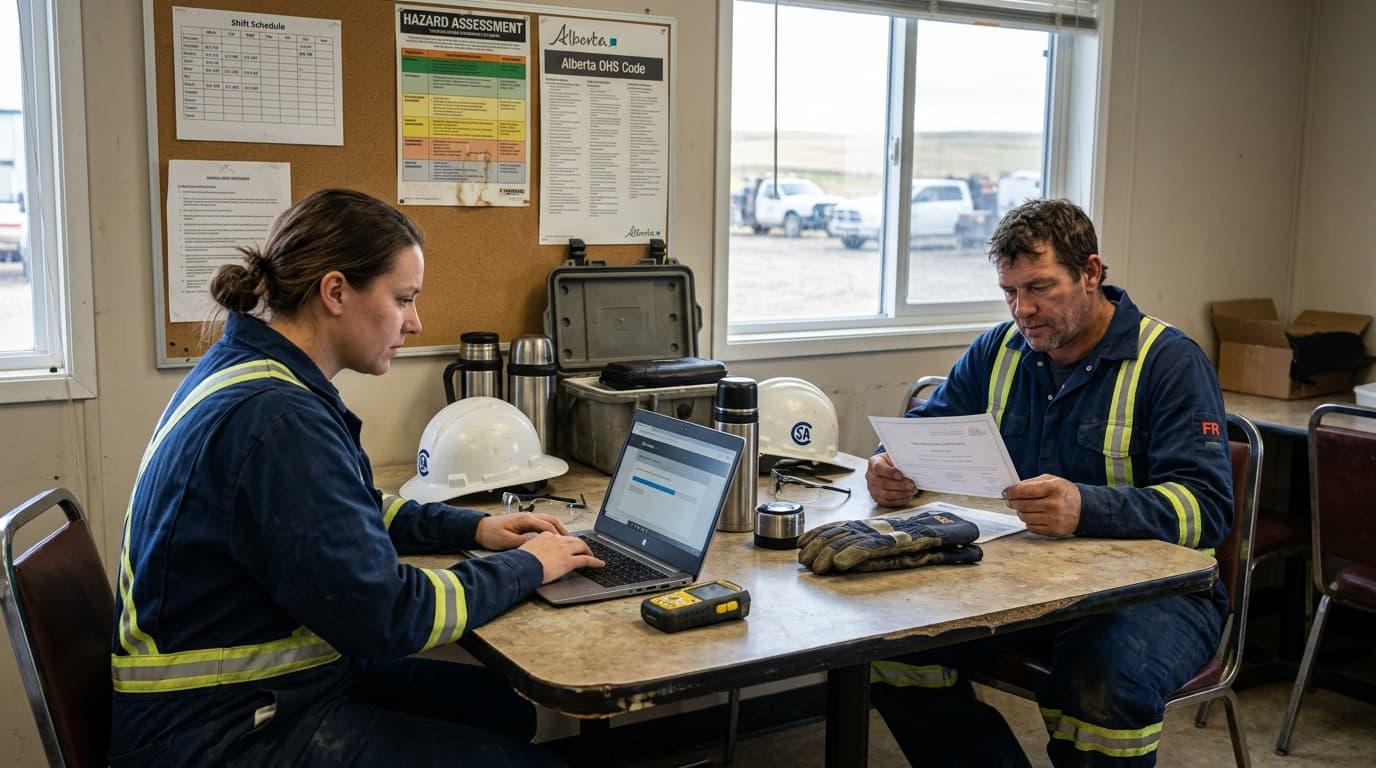
Did you know?
101 courses
available for drivers and fleet operators
Common questions about driver training
Ready to get your fleet compliant?
Set up a free corporate account today. Get 20% off all courses for the first three months, with certificate tracking and expiry alerts built in.
Individual purchases: use code ONTRACK10 for 10% off.
The full list
All 101 driver and fleet courses
Every one has its own page with the price, the duration, how long the certificate lasts and which provinces it covers. Prices in CAD. Code ONTRACK10 takes 10 percent off an individual purchase.
- Daily Trip Inspection Training$89.99
- Daily Pre-Trip Inspection$89.99
- Commercial Weights and Dimensions$49.99
- Cargo Securement$49.99
- Basic Load Securement Training$49.99
- Provincial Hours of Service (Alberta)$99.99
- Provincial Hours of Service Course Alberta Regulations$54.99
- Defensive Driving - Large Vehicles$65.99
- Federal Hours of Service Course - Canadian Regulations$94.99
- AMA Demerit Reduction Defensive Driving$114.99
- Hours of Service - Canada$99.99
- Weights & Dimensions (Safety Laws)$49.99
- Cargo Securement (Flatbeds)$34.99
- Rigging - Level 1$124.99
- Transportation of Dangerous Goods (TDG)$34.99
- Defensive Driving$69.99
- Transportation of Dangerous Goods Canada (TDG)$34.99
- Federal Hours of Service Course - Canadian and US Regulations$109.99
- Vehicle Inspections: Straight Truck Series$49.99
- Defensive Driving (CAN)$99.99
- Hours of Service$99.99
- Trip Inspections for Buses and Vans$79.99
- Distracted Driving Prevention$49.99
- Defensive Driving Fundamentals & Attitudes$134.99
- National Safety Code Overview$29.99
- Load Securement and Distribution$36.99
- AMTA (2024) Provincial Hours of Service (Alberta)$49.99
- Reasonable Suspicion Awareness Training for Supervisors$99.99
- Weights and Dimensions$34.99
- Cargo Securement - Alberta$49.99
- Transportation of Dangerous Goods - TDG$34.99
- Fatigue Management - Supervisors and Drivers$69.99
- Health and Safety Committees and Representatives - Alberta Online$38.99
- Alberta Provincial Hours of Service (School Bus and Passenger Bus/Van)$44.99
- TDG - Transportation of Dangerous Goods: Canada$29.99
- TDG - Transportation of Dangerous Goods: Canada/US$29.99
- Traffic Control for 2025 and Beyond$98.99
- North American Cargo Securement$49.99
- Load Securement for Heavy Equipment (US)$79.99
- Log Book Auditing Federal (Canada Only)$224.99
- Cargo Securement and Safety Laws for Buses and Vans Online$39.99
- Distracted Driving Awareness Training$49.99
- Pre-Trip Inspections$79.99
- Forklift Operator - Loadhandling$69.99
- OHV (ATV, UTV) - Operator Safety (OSHA)$99.99
- DOT Cargo Securement$49.99
- Safe Backing Procedures and Blind Spots$64.99
- DOT Commercial Motor Vehicle Inspections$49.99
- DOT Hours of Service$49.99
- Safe Excavation$49.99
- Reasonable Suspicion Training for Alcohol and Substance Abuse$54.99
- Backing and Parking: Straight Truck Series$59.99
- DOT Driver Compliance (US)$79.99
- Towing Trailers$79.99
- Defensive Driving: Extreme Winter Driving with Skid Control/Recovery$59.99
- Accident Procedures: Driver Training Series$59.99
- Backing Techniques: Driver Training Series$59.99
- Injury Prevention Around Flatbeds$59.99
- Defensive Driving (OSHA)$39.99
- Aerial Work Platform Training - Boom and Scissor Lift$99.99
- Earth Mover General (CAN)$99.99
- Tractor - Operator Safety (CAN)$99.99
- Canada Hours of Service Training Module 1: Basics$49.99
- CMV Drivers - Fatigue and Its Effects$49.99
- Trip Inspection for Commercial Carriers$49.99
- Bulldozer (Track & Wheel Dozers) - Operator Safety (CAN)$99.99
- Lawnmower - Operator Safety (CAN)$99.99
- Mini Excavator (CAN)$99.99
- Air Brake Refresher$49.99
- AMTA (2024) Federal Hours of Service (Canada)$49.99
- BC Safe Driving$94.99
- Hours of Service Training Module 1: Basics$49.99
- Avoiding Rear-End Collisions - Large Vehicles (US)$79.99
- Safety Everywhere: Staying Safe on Two Wheels$79.99
- Alberta Provincial Hours of Service$69.99
- Defensive Driving Fundamentals$79.99
- Coupling and Uncoupling: Driver Training Series$59.99
- Extreme Weather Driving: Driver Training Series$59.99
- Defensive Driving - Small Vehicles$54.99
- Driver Fatigue$52.99
- Canada Hours of Service Training Module 7: Manual Logs$49.99
- Cargo Securement Core Program$49.99
- Defensive Driving for CMV Drivers: Look$49.99
- Driving Defensively$49.99
- Journey Management$49.99
- Preventing and Managing Fatigue… for CMV Drivers$49.99
- Driving Safety: The Basics$49.99
- Hours of Service Training Module 5: ELD Basics$49.99
- Winter Driving Fundamentals$44.99
- Back Roads and Trail Driving$44.99
- Backing Safety Fundamentals$42.99
- Material Handling Safety$49.99
- Load Securement Training (Division 1 Logs)$19.99
- Load Securement Training (Division 9 Boulders)$19.99
- ICC Shipping Dangerous Goods by Ground (CA)$43.99
- TDG: Transportation of Dangerous Goods (2025)$34.99
- TDG 2024 (Transportation of Dangerous Goods)$32.99
- Farm Equipment On The Highway$29.99
- Vehicle Inspections: Intermodal Chassis$49.99
- Load Securement Training (Division 2 Dressed Lumber)$19.99
- Load Securement Training (Division 7 Vehicles as Cargo)$19.99