Online driver training
Pre-Trip Inspections
Pre-Trip Inspections is an online course, made in 2025, on carrying out and recording a daily pre-trip inspection of a commercial vehicle in Canada. It covers the National Safety Code context, the documentation a driver must carry and complete, choosing the right inspection schedule, recognising defects and major defects, and the steps of a walkaround and air brake test.
Duration
1h
On completion
Certificate, valid 36 month(s)
Coverage
All Provinces
Per seat
$79.99 CAD
You set up a training profile before you pay. It asks for more than a normal checkout does - your employer, your role, an emergency contact - because this is a training record, not a shopping cart. It is the file an auditor asks to see, and it is why you can pull your certificate up years from now instead of hunting for a PDF in your email. Give yourself five minutes and do it once.
Trusted by Canadian operators






About the course
What this course covers.
Canada's National Safety Code sets 16 standards for commercial road transportation, and one of them, Standard 13, is the daily trip inspection. It applies across the country so that a truck inspected in one province meets the same expectation in the next. The pre-trip inspection is the driver's part of that system: the daily check that catches a defect in the yard instead of at the roadside or in a ditch.
This 2025 course is designed to give to-the-point direction. It covers the steps a driver takes to stay safe while inspecting, the items and documents that must be in the vehicle, and the paperwork the driver completes. It shows how to select the correct inspection schedule for the vehicle type, what damage looks like, and the difference between a defect, which must be reported and repaired, and a major defect, which takes the vehicle off the road. It finishes with the steps of a full walkaround and the air brake test.
The course closes with responsibilities and enforcement, so drivers understand that the inspection report is a legal record and that carriers and drivers both carry obligations. Companies use it for new drivers, for drivers moving onto a new vehicle class, and to refresh experienced drivers with a current, documented course.

Pass mark 80%
Score the pass mark to earn the certificate.
Course outline
5 modules, start to finish
Each module ends with a short knowledge check before you move on.
Tips for drivers
Staying safe while inspecting a vehicle and building a consistent inspection routine.
Required documentation
The items and documents that must be in the vehicle and the inspection report the driver completes.
Schedules, defects and major defects
Selecting the correct schedule for the vehicle type, what damage looks like, and defects versus major defects.
Walkarounds and the air brake test
The steps of a complete walkaround inspection and how to carry out an air brake test.
Responsibilities and enforcement
What the driver and carrier are each responsible for and how inspections are enforced.
Developed to meet Canadian and provincial standards
What every course includes
Printable and mailed certificates
Digital wallet and wall-sized certificates print the moment the course is passed.
Standards compliant
Built on Canadian federal and provincial legislation, safety standards, and industry best practice.
Self-paced
Unlimited access to the training material. Pause and resume the course any time.
Live student support
Real support is available seven days a week if a learner gets stuck.
Unlimited exam attempts
The exam can be retaken until the learner reaches a passing grade.
Record of training
Training records are stored securely for three years and pulled on demand from the account.
Who it is for
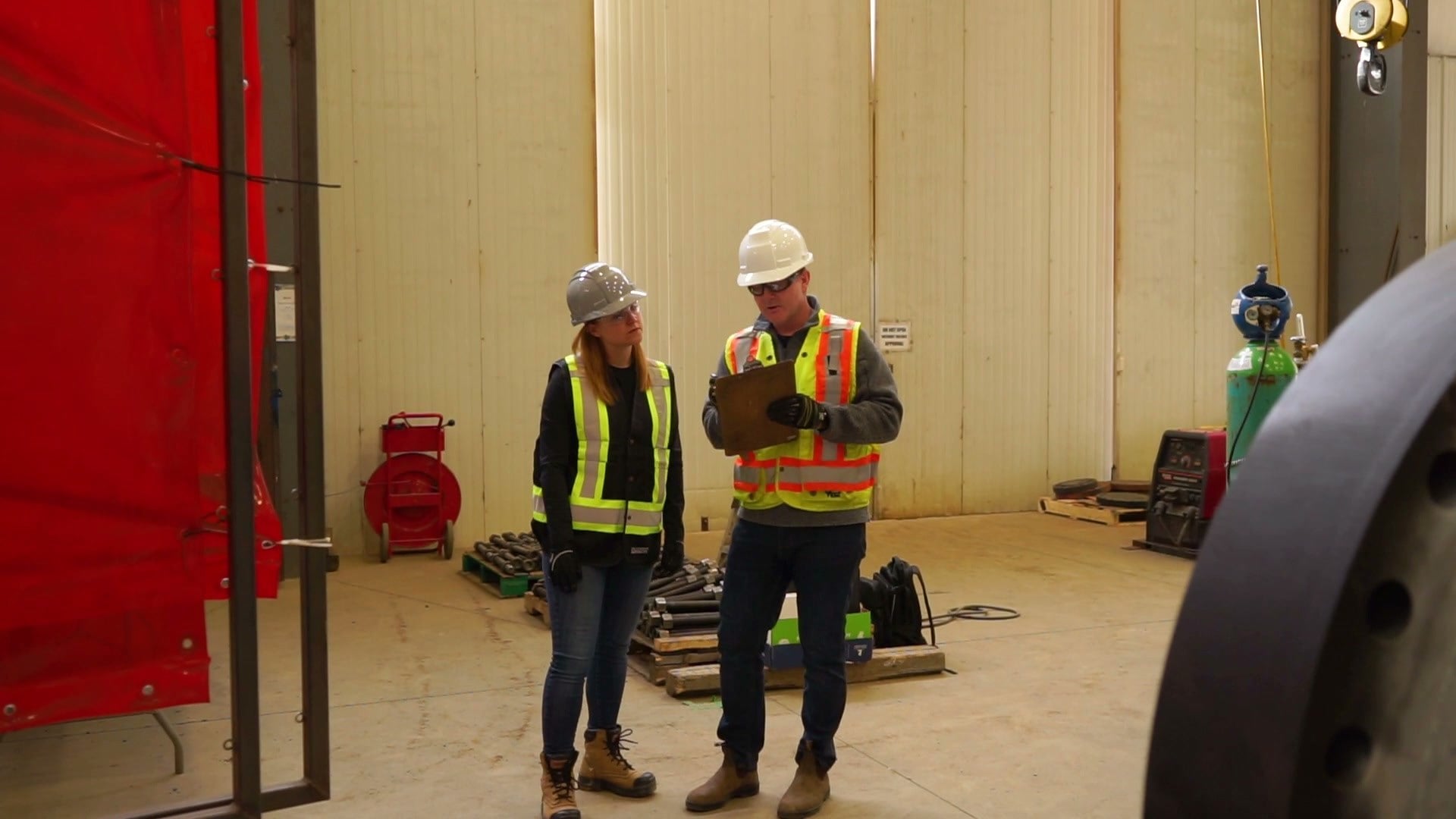
Built for the people running the work
- Commercial truck and bus drivers who complete daily trip inspections
- New drivers entering a fleet
- Drivers moving to a new vehicle type or schedule
- Fleet supervisors and maintenance staff who review inspection reports
- Carriers documenting driver training for a safety profile
What you walk away with
Able to do the job, not just describe it
- Explain why daily trip inspections are required and what they protect
- List the items and documents that must be in the vehicle
- Select the correct inspection schedule for the vehicle
- Tell a defect from a major defect and act on each correctly
- Complete a walkaround inspection, an air brake test and the report
Pricing
One seat or the whole crew, priced fairly.
A single seat is $79.99 CAD. Buying one at a time, ask our safety experts for 10 percent off your first course. Training more than two or three people is cheaper through a free On-Track Safety corporate account, which also tracks every certificate and renewal date for you. Move the slider to see the difference.
- Free corporate account, no setup fee
- 20 percent off every course for the first three months
- Automatic certificate and expiry tracking for your whole team
Team pricing
What it costs to train your crew
Individual purchases
One seat at a time, list price
$399.95
Individually with a 10% code
Ask our safety experts for a code
$359.96
Through a free corporate account
20% off every course, first three months
$319.96
A corporate account saves you
$79.99
on 5 seats of Pre-Trip Inspections
No setup fee. The account also tracks every certificate and expiry date for you.
Certificate and format
How the course runs
Your certificate
Pass the final quiz at 80 percent to receive a certificate of completion, valid for 36 months. Learners have three attempts to reach the pass mark.
- Fully online and self-paced, about one hour
- Knowledge checks and activities throughout, plus a final quiz
- Made in 2025
- Instant access once the seat is purchased
- Valid for 36 months
Why it matters for compliance
National Safety Code Standard 13 sets the daily trip inspection requirements for commercial vehicles in Canada, and each province applies it through its own legislation. The standard uses inspection schedules by vehicle type and separates defects from major defects. This course teaches drivers to meet that standard and record it correctly.
Common questions
Questions buyers ask
What is the difference between a defect and a major defect?
- A defect must be recorded and reported so it can be repaired. A major defect is serious enough that the vehicle must not be driven until it is repaired. The schedules under National Safety Code Standard 13 list which is which for each vehicle system, and the course teaches drivers to use them.
How is this course different from Daily Trip Inspection Training?
- Both teach the daily trip inspection. This one was made in 2025 and includes the air brake test and choosing the right schedule; Daily Trip Inspection Training and Daily Pre-Trip Inspection are established alternatives. Any of them gives a documented record of inspection training.
How much does the course cost?
- The course is 79.99 CAD per seat. Ask our safety experts for 10 percent off your first course, or a free On-Track Safety corporate account for 20 percent off every course for the first three months.
How long is the certificate valid?
- 36 months from the completion date.
Does it cover buses?
- It covers selecting the correct schedule for the vehicle type. Bus and van fleets may prefer Trip Inspections for Buses and Vans, which is built around passenger vehicles.
How many attempts do I get?
- Three attempts to reach a final grade of 80 percent.
Why is the pre-trip inspection report important?
- The report is the record that the inspection happened and what was found. A defect written on the report starts the repair process; a major defect stops the vehicle. Carriers rely on those reports, and enforcement officers look at them at the roadside.
Does the course include the air brake test?
- Yes. It covers the steps of the walkaround inspection and the air brake test, so drivers of air-braked vehicles finish knowing both parts of the daily check.
Get your team trained, on the record.
Enrol one person now, or set up a free corporate account and train the whole crew at 20 percent off with every certificate tracked for you.