Online driver training
Backing and Parking: Straight Truck Series
Backing and Parking: Straight Truck Series is a short online course that teaches straight truck drivers how to back and park without hitting anything. It covers why backing and parking collisions happen, how to prevent them, the ground-level, eye-level and overhead obstructions a straight truck can strike, and the driving techniques that get the truck into position safely.
Duration
20m
On completion
Certificate, valid 36 month(s)
Coverage
All Provinces
Per seat
$59.99 CAD
You set up a training profile before you pay. It asks for more than a normal checkout does - your employer, your role, an emergency contact - because this is a training record, not a shopping cart. It is the file an auditor asks to see, and it is why you can pull your certificate up years from now instead of hunting for a PDF in your email. Give yourself five minutes and do it once.
Trusted by Canadian operators





About the course
What this course covers.
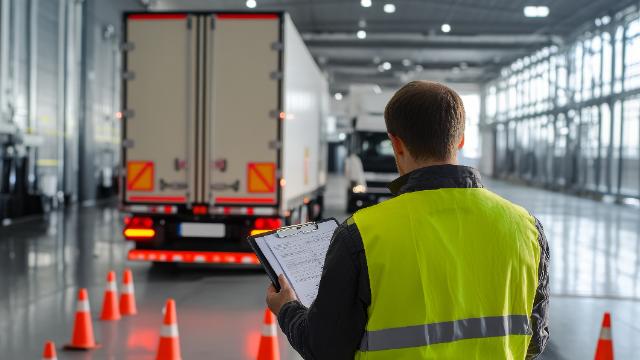
Most straight truck collisions are not highway crashes. They are low-speed contact with something that does not move: a bollard, a loading dock canopy, a parked car, a building corner, an overhead door. They rarely injure anyone, but they damage equipment and property, cost money and time, and occasionally hit a person who walked behind the truck. Backing and parking is where those collisions happen, which is why this course focuses on nothing else.
It covers the hazards of backing and parking and the most common causes of fixed object collisions, then the preventive measures that remove them. A large part of the course is about seeing the hazard before the truck reaches it: obstructions at ground level, at eye level and overhead, the last of which is easy to forget in a taller straight truck under a canopy, sign or wire. The course finishes with driving technique, the practical way to approach, set up and complete a back or a park.
The course is part of a series designed for every level of straight truck driver, from a new hire on a delivery route to a veteran who has never had a formal backing lesson. At about 20 minutes it fits into a safety meeting or an onboarding day, and it gives fleets a simple way to respond to a backing incident with documented retraining.
Pass mark 80%
Score the pass mark to earn the certificate.
Course outline
4 modules, start to finish
Each module ends with a short knowledge check before you move on.
The hazards of backing and parking
Why backing and parking are where so many straight truck collisions happen, and what causes them.
Avoiding fixed object collisions
Preventive measures that stop a truck from striking poles, docks, buildings and parked vehicles.
Ground, eye-level and overhead obstructions
Spotting obstructions at every height before the truck reaches them, including overhead canopies, signs and wires.
Driving technique
Proper techniques to set up, back and park a straight truck safely.
Developed to meet Canadian and provincial standards
What every course includes
Printable and mailed certificates
Digital wallet and wall-sized certificates print the moment the course is passed.
Standards compliant
Built on Canadian federal and provincial legislation, safety standards, and industry best practice.
Self-paced
Unlimited access to the training material. Pause and resume the course any time.
Live student support
Real support is available seven days a week if a learner gets stuck.
Unlimited exam attempts
The exam can be retaken until the learner reaches a passing grade.
Record of training
Training records are stored securely for three years and pulled on demand from the account.
Who it is for
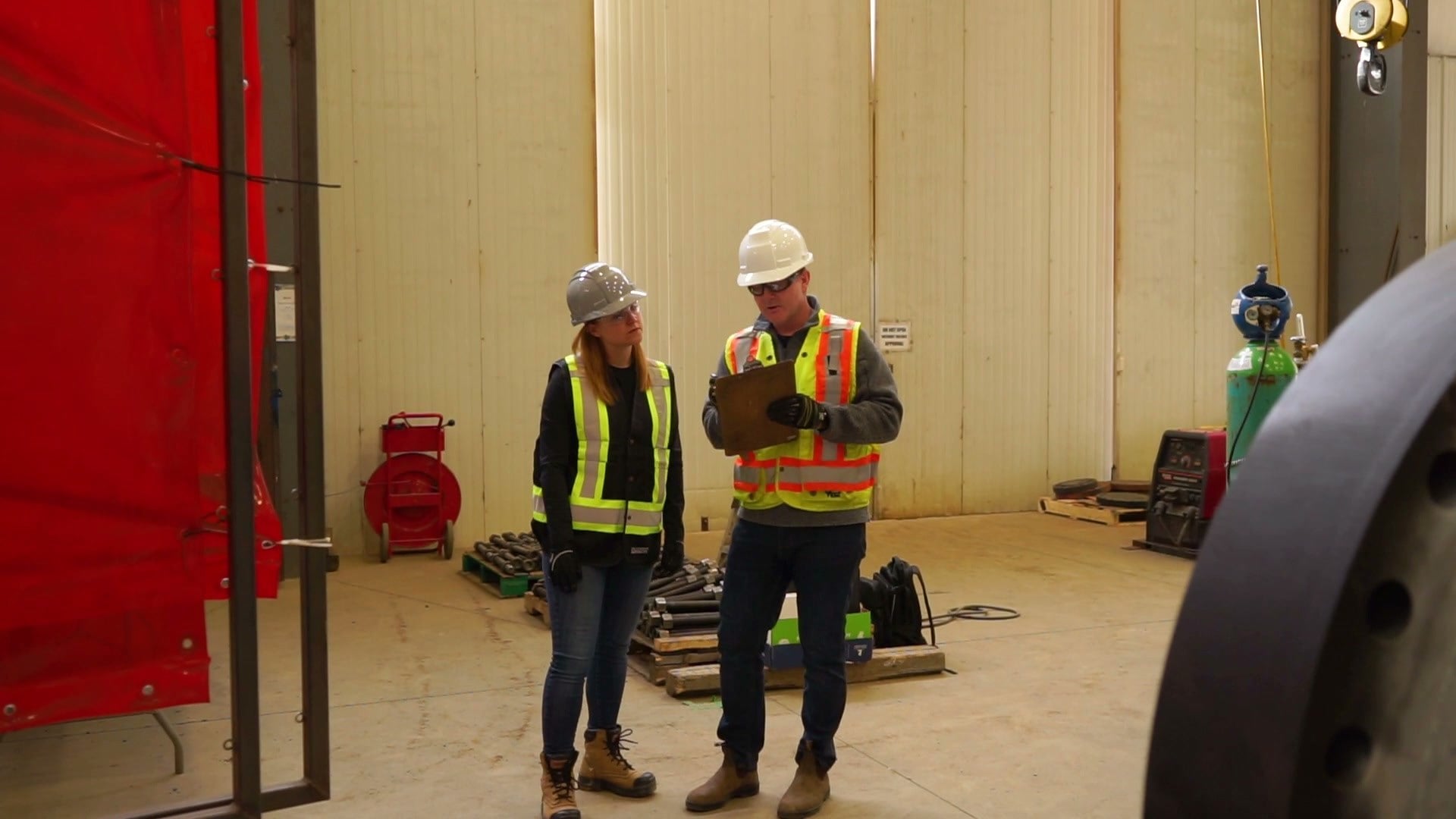
Built for the people running the work
- Straight truck and cube van delivery drivers
- Service, utility and municipal fleets running straight trucks
- New drivers on urban or yard routes
- Drivers involved in a backing or parking incident who need retraining
- Fleet supervisors building a collision prevention program
What you walk away with
Able to do the job, not just describe it
- Explain the common causes of backing and parking collisions
- Avoid fixed object collisions while backing or parking
- Identify ground-level, eye-level and overhead obstructions
- Use proper technique to back and park a straight truck safely
Pricing
One seat or the whole crew, priced fairly.
A single seat is $59.99 CAD. Buying one at a time, ask our safety experts for 10 percent off your first course. Training more than two or three people is cheaper through a free On-Track Safety corporate account, which also tracks every certificate and renewal date for you. Move the slider to see the difference.
- Free corporate account, no setup fee
- 20 percent off every course for the first three months
- Automatic certificate and expiry tracking for your whole team
Team pricing
What it costs to train your crew
Individual purchases
One seat at a time, list price
$299.95
Individually with a 10% code
Ask our safety experts for a code
$269.96
Through a free corporate account
20% off every course, first three months
$239.96
A corporate account saves you
$59.99
on 5 seats of Backing and Parking: Straight Truck Series
No setup fee. The account also tracks every certificate and expiry date for you.
Certificate and format
How the course runs
Your certificate
Pass at 80 percent to download a certificate of completion, valid for 36 months. The course can be taken three times to reach the pass mark.
- Fully online and self-paced, about 20 minutes
- Part of the Straight Truck Series
- Mobile-friendly, works on a phone or tablet
- Instant access once the seat is purchased
- Valid for 36 months
Why it matters for compliance
Employers are expected to assess the hazards of their workers' tasks, and backing a vehicle where people work or walk is one of the most commonly identified hazards in fleet operations. Driver training such as this course is one control, alongside spotters, cameras, site layout and procedures.
Common questions
Questions buyers ask
Who is this course for?
- Drivers of straight trucks: delivery, service, utility and municipal vehicles that are not tractor-trailers. It is designed for every level, from new drivers to veterans who never had formal backing training.
How long does it take?
- About 20 minutes, which makes it easy to fit into onboarding, a safety meeting or retraining after an incident.
How much does the course cost?
- The course is 59.99 CAD per seat. Ask our safety experts for 10 percent off your first course, or a free On-Track Safety corporate account for 20 percent off every course for three months.
Does it cover tractor-trailer backing?
- No. This course is about straight trucks. Tractor-trailer drivers should look at Backing Techniques: Driver Training Series, which covers alley dock, jackknife and parallel parking manoeuvres.
How long is the certificate valid?
- 36 months from the completion date.
Is it useful after a backing incident?
- Yes. Many fleets assign a short, focused course after a backing or parking incident so the retraining is documented and specific to what went wrong.
What is a fixed object collision?
- Contact between a moving vehicle and something that does not move, such as a pole, wall, loading dock, canopy or parked vehicle. They are among the most common collisions for straight trucks and most happen while backing or parking.
Why are overhead obstructions singled out?
- A straight truck box is taller than the cab, and drivers judge clearance from the seat. Canopies, signs, wires and building overhangs are easy to miss, so the course trains drivers to check ground level, eye level and overhead before they move.
Get your team trained, on the record.
Enrol one person now, or set up a free corporate account and train the whole crew at 20 percent off with every certificate tracked for you.