Online driver training
Cargo Securement Core Program
Cargo Securement Core Program is an online course on securing cargo on commercial vehicles, built on National Safety Code Standard 10 with Alberta's commercial vehicle regulations included. It covers the governing bodies and rules, securement devices and systems, securement methods, front end structures and weight distribution, safe handling and PPE, inspections through the trip, and special cargo.
Duration
1h 15m
On completion
Certificate of completion
Coverage
All Provinces
Per seat
$49.99 CAD
You set up a training profile before you pay. It asks for more than a normal checkout does - your employer, your role, an emergency contact - because this is a training record, not a shopping cart. It is the file an auditor asks to see, and it is why you can pull your certificate up years from now instead of hunting for a PDF in your email. Give yourself five minutes and do it once.
Trusted by Canadian operators






About the course
What this course covers.
Most cargo securement courses explain the national standard and leave the driver to work out how their own province applies it. This course brings the two together. Alongside the Canadian Council of Motor Transport Administrators, the Commercial Vehicle Safety Alliance, the North American Cargo Securement Standard and National Safety Code Standard 10, it introduces the Alberta regulations the supplier lists as part of the framework, giving Alberta drivers a foundation for compliance and a clear idea of where to turn for guidance.
The practical core covers the devices and systems used to secure cargo, the securement methods available for different types of load, and how to carry out inspections throughout a trip. The course gives particular attention to two topics many drivers half-understand: front end structures, often called headboards, and how to use them properly, and how to distribute cargo weight across the vehicle.
Further chapters cover safe handling practices, including the personal protective equipment the job requires, and the specific securement requirements for special cargo such as logs, metal coils, vehicles and intermodal containers. The course finishes with a review. A driver finishes able to plan, carry out and verify a securement, protecting themselves, the cargo and everyone else on the road.

Pass mark 80%
Score the pass mark to earn the certificate.
Course outline
6 modules, start to finish
Each module ends with a short knowledge check before you move on.
Governing bodies and their regulations
CCMTA, CVSA, the North American Cargo Securement Standard, NSC Standard 10, and the Alberta regulations listed by the course.
Securement systems and components
The devices used to secure cargo and how they combine into a securement system.
Securement methods
Methods for different load types, front end structures and how to distribute cargo weight.
Safe cargo handling practices
Securing, inspecting through the trip, removing devices safely and using PPE.
Special types of cargo
Securement requirements for logs, metal coils, vehicles and intermodal containers.
Review and conclusion
Bringing the regulations and methods together to plan, execute and verify securement.
Developed to meet Canadian and provincial standards
What every course includes
Printable and mailed certificates
Digital wallet and wall-sized certificates print the moment the course is passed.
Standards compliant
Built on Canadian federal and provincial legislation, safety standards, and industry best practice.
Self-paced
Unlimited access to the training material. Pause and resume the course any time.
Live student support
Real support is available seven days a week if a learner gets stuck.
Unlimited exam attempts
The exam can be retaken until the learner reaches a passing grade.
Record of training
Training records are stored securely for three years and pulled on demand from the account.
Who it is for
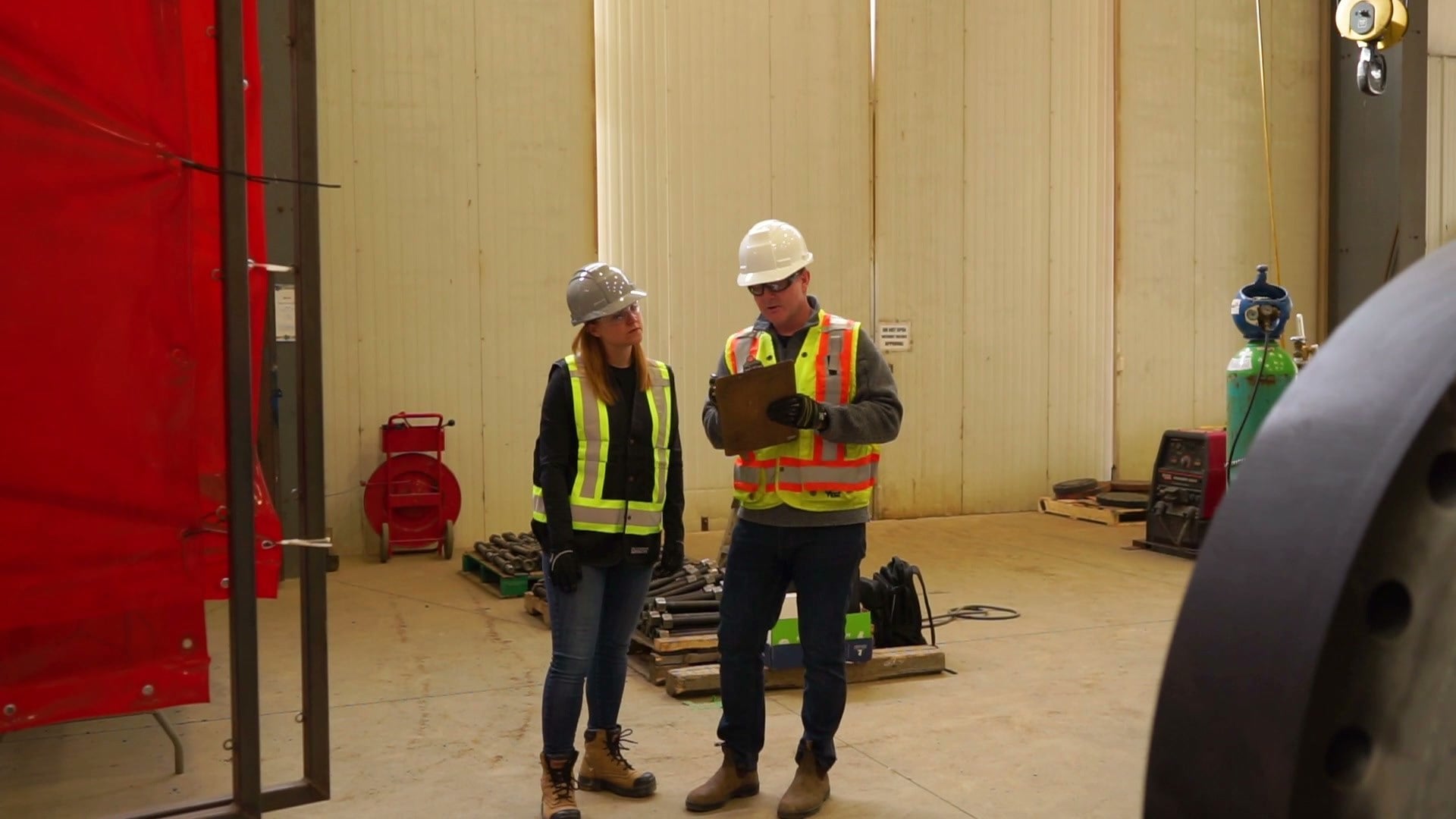
Built for the people running the work
- Flatbed and open-deck drivers in Alberta
- Drivers hauling logs, coils, vehicles or containers
- Loaders and yard staff who secure cargo
- Fleet safety staff building a securement training record
- New drivers starting with an Alberta carrier
What you walk away with
Able to do the job, not just describe it
- Name the organisations and regulations that govern cargo securement for Alberta carriers
- Recognise securement devices and systems
- Choose a securement method suited to the load
- Use front end structures properly and distribute cargo weight
- Inspect cargo throughout a trip and handle it safely
- Recognise special cargo with its own requirements
Pricing
One seat or the whole crew, priced fairly.
A single seat is $49.99 CAD. Buying one at a time, ask our safety experts for 10 percent off your first course. Training more than two or three people is cheaper through a free On-Track Safety corporate account, which also tracks every certificate and renewal date for you. Move the slider to see the difference.
- Free corporate account, no setup fee
- 20 percent off every course for the first three months
- Automatic certificate and expiry tracking for your whole team
Team pricing
What it costs to train your crew
Individual purchases
One seat at a time, list price
$249.95
Individually with a 10% code
Ask our safety experts for a code
$224.96
Through a free corporate account
20% off every course, first three months
$199.96
A corporate account saves you
$49.99
on 5 seats of Cargo Securement Core Program
No setup fee. The account also tracks every certificate and expiry date for you.
Certificate and format
How the course runs
Your certificate
Pass at 80 percent to download a certificate of completion. No expiry period is listed; many carriers refresh securement training every two to three years.
- Fully online and self-paced, about 75 minutes
- Six chapters ending in a review
- Mobile-friendly, pause and resume between chapters
- Instant access once the seat is purchased
- Certificate available as soon as the course is passed
Why it matters for compliance
National Safety Code Standard 10 sets the cargo securement requirements adopted across Canada and is aligned with the North American Cargo Securement Standard. Each province enforces it through its own legislation; this course includes the Alberta regulations the supplier identifies as part of that framework. Carriers should keep current copies of the rules that apply to them.
Training outside Alberta?
This course includes Alberta-specific regulations. Drivers in other provinces can use North American Cargo Securement or Cargo Securement for the national framework.
Common questions
Questions buyers ask
What makes this course different from other cargo securement courses?
- It combines the national framework, including NSC Standard 10, with Alberta's commercial vehicle regulations, and gives extra attention to front end structures and weight distribution.
What is a front end structure?
- The structure at the front of a trailer or truck deck, often called a headboard, that helps prevent cargo shifting forward. The course explains how to use it properly as part of a securement system.
How much does the course cost?
- The course is 49.99 CAD per seat. Ask our safety experts for 10 percent off your first course, or a free On-Track Safety corporate account for 20 percent off every course for the first three months.
Which special cargo is covered?
- Logs, metal coils, vehicles and intermodal containers, among others.
Is this course suitable outside Alberta?
- The national framework applies everywhere, but the provincial content is Alberta's. Drivers elsewhere may prefer a national cargo securement course.
How long does it take?
- About 75 minutes.
Why does weight distribution matter?
- Cargo weight that is poorly distributed affects axle loads, braking and handling, and can overload a front end structure in a sudden stop. The course covers how to distribute cargo weight as part of planning the securement.
Who should take this course instead of a national one?
- Drivers and carriers operating in Alberta who want the national standard and Alberta's commercial vehicle regulations covered in one course.
Get your team trained, on the record.
Enrol one person now, or set up a free corporate account and train the whole crew at 20 percent off with every certificate tracked for you.