
Online safety training
Cold Stress
Cold Stress is a 30-minute online course for workers exposed to cold environments. It explains how the body loses heat, who is most at risk, how windchill and winter weather alerts affect work, the signs of cold-induced injuries such as hypothermia and frostbite, how to prevent cold stress, and how to respond when a worker is affected until help arrives.
Duration
30m
On completion
Certificate of completion
Coverage
All Provinces
Per seat
$59.99 CAD
You set up a training profile before you pay. It asks for more than a normal checkout does - your employer, your role, an emergency contact - because this is a training record, not a shopping cart. It is the file an auditor asks to see, and it is why you can pull your certificate up years from now instead of hunting for a PDF in your email. Give yourself five minutes and do it once.
Trusted by Canadian operators






About the course
What this course covers.
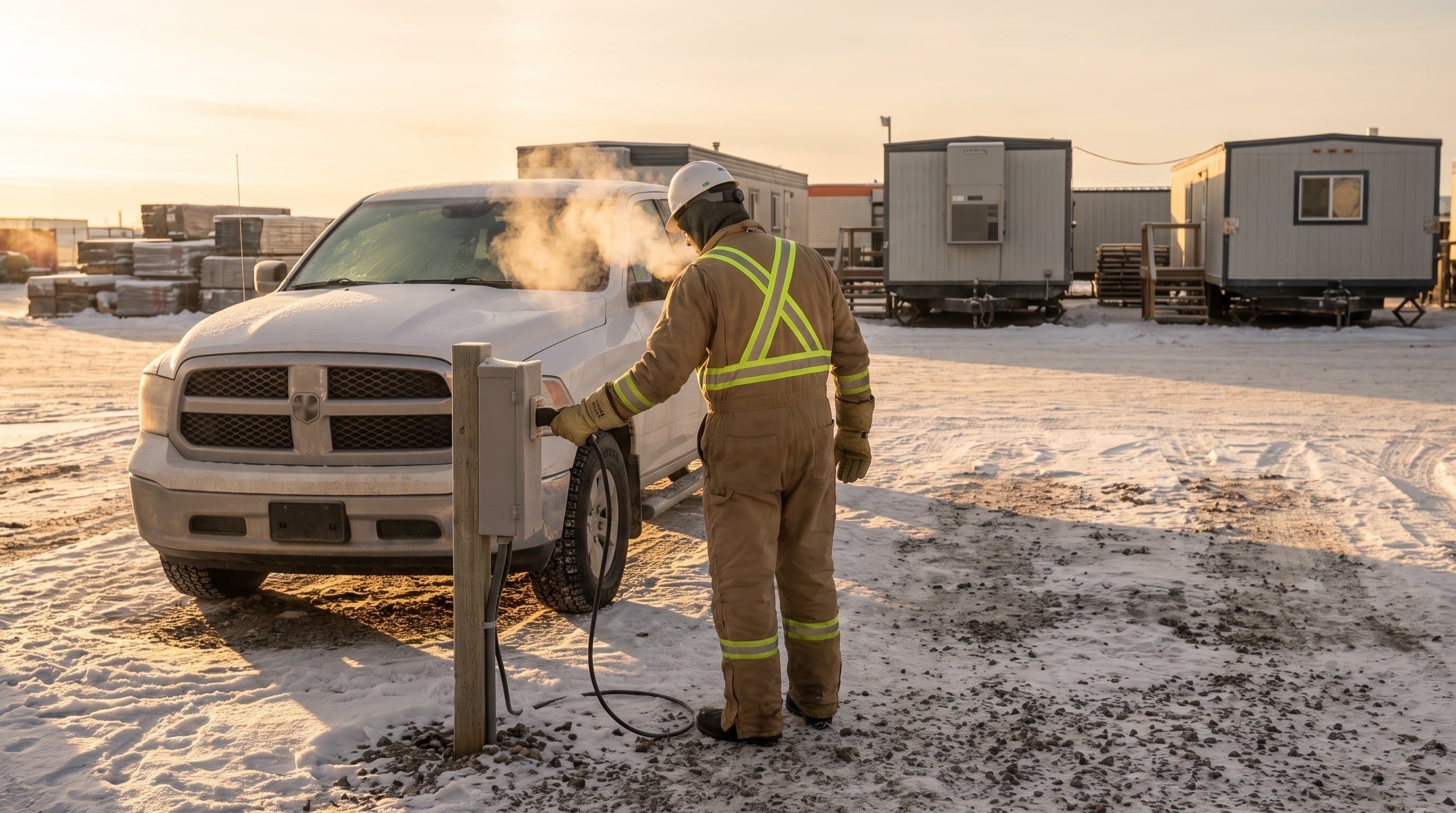
Canadian winters make cold stress an everyday hazard for anyone who works outdoors, and a real one for people who work in freezers, unheated buildings or in wet conditions at any time of year. Cold does its damage quietly. A worker with early hypothermia may not realise anything is wrong, which is why co-workers and supervisors need to know the signs as well as the person who is cold.
The course starts with the environment: what causes cold stress, who is at greater risk, how the body loses heat, and how to read winter weather alerts and windchill. It then covers the signs and symptoms of the common cold-induced injuries: hypothermia, frostbite, chilblains and trench foot. Seeing them side by side helps workers recognise the difference between being uncomfortable and being in danger.
Prevention is set out as a shared responsibility. Workers learn how to dress warmly in layers and protect themselves, and the course explains the employer's and employee's responsibilities for working safely in the cold. The final section covers responding to a cold stress emergency: reporting the problem, contacting emergency personnel and supporting the worker until medical help arrives. It is a practical pre-winter course for field crews, yard and warehouse staff, and anyone who works in the cold.
Pass mark 80%
Score the pass mark to earn the certificate.
Course outline
4 modules, start to finish
Each module ends with a short knowledge check before you move on.
Cold working environments
What causes cold stress, who is at risk, how the body loses heat, winter weather alerts and windchill.
Signs and symptoms of cold stress
Common cold-induced injuries, including hypothermia, frostbite, chilblains and trench foot.
Preventing cold stress
Dressing warmly in layers, and the responsibilities of employers and employees.
Responding to cold stress emergencies
Reporting the problem, contacting emergency personnel, and supporting the worker until medical help arrives.
Developed to meet Canadian and provincial standards
What every course includes
Printable and mailed certificates
Digital wallet and wall-sized certificates print the moment the course is passed.
Standards compliant
Built on Canadian federal and provincial legislation, safety standards, and industry best practice.
Self-paced
Unlimited access to the training material. Pause and resume the course any time.
Live student support
Real support is available seven days a week if a learner gets stuck.
Unlimited exam attempts
The exam can be retaken until the learner reaches a passing grade.
Record of training
Training records are stored securely for three years and pulled on demand from the account.
Who it is for
Built for the people running the work
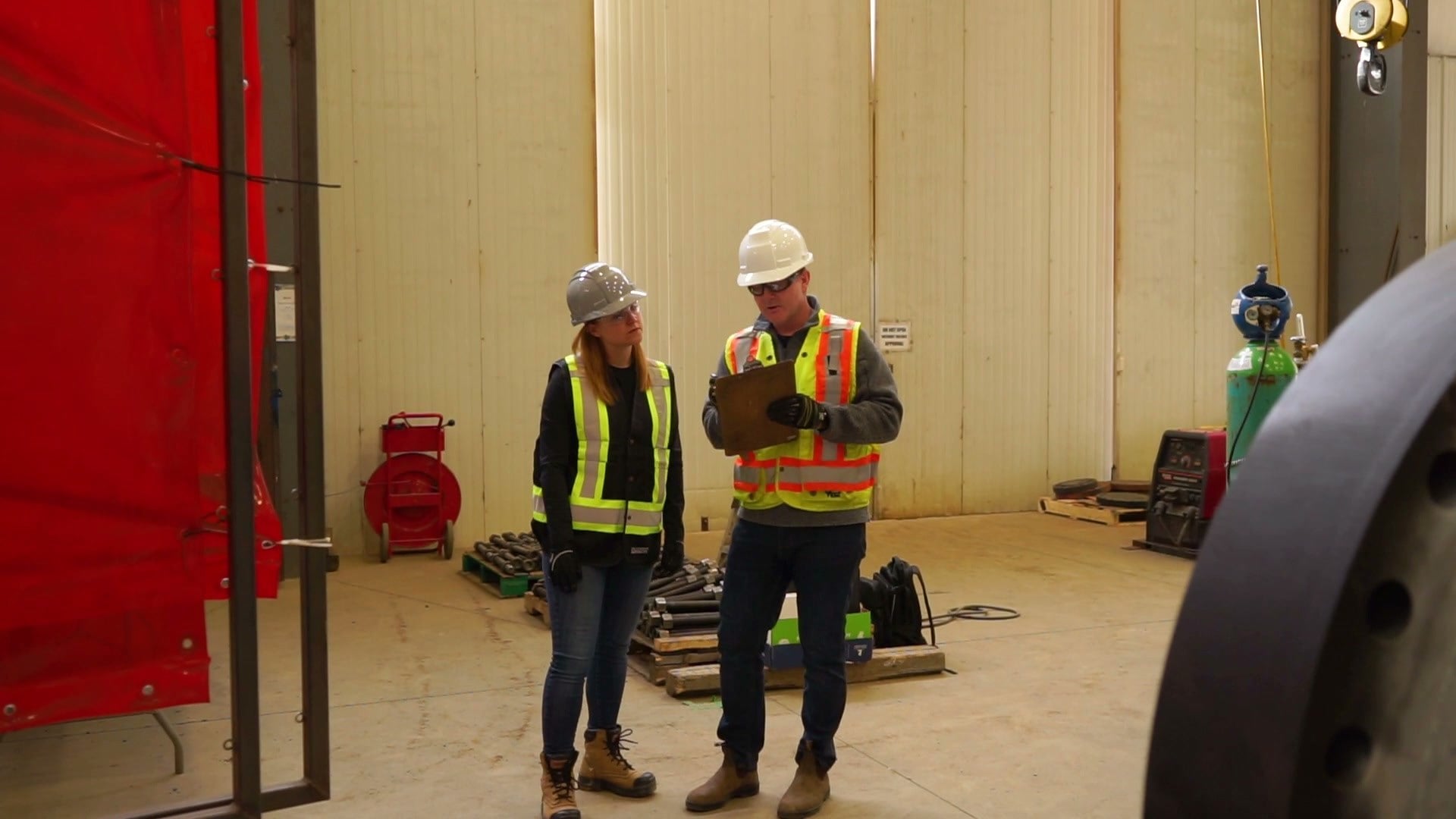
- Outdoor workers in construction, energy, utilities and transportation
- Yard, warehouse and freezer workers
- Field crews working in winter or wet conditions
- Supervisors who plan work in cold weather
- Employers preparing crews for the winter season
What you walk away with
Able to do the job, not just describe it
- Identify cold working environments and the factors that increase risk
- Explain how the body loses heat and how windchill affects exposure
- Recognise the signs and symptoms of hypothermia, frostbite and other cold injuries
- Put cold stress prevention measures in place
- Respond appropriately to a cold stress emergency
Pricing
One seat or the whole crew, priced fairly.
A single seat is $59.99 CAD. Buying one at a time, ask our safety experts for 10 percent off your first course. Training more than two or three people is cheaper through a free On-Track Safety corporate account, which also tracks every certificate and renewal date for you. Move the slider to see the difference.
- Free corporate account, no setup fee
- 20 percent off every course for the first three months
- Automatic certificate and expiry tracking for your whole team
Team pricing
What it costs to train your crew
Individual purchases
One seat at a time, list price
$299.95
Individually with a 10% code
Ask our safety experts for a code
$269.96
Through a free corporate account
20% off every course, first three months
$239.96
A corporate account saves you
$59.99
on 5 seats of Cold Stress
No setup fee. The account also tracks every certificate and expiry date for you.
Certificate and format
How the course runs
Your certificate
Pass at 80 percent to download a certificate of completion. The course can be repeated twice. No expiry period is listed; many employers refresh cold stress training before each winter.
- Fully online and self-paced, about 30 minutes
- Testing throughout to reinforce the material
- Mobile-friendly, works on a phone or tablet
- Instant access once the seat is purchased
- Certificate available as soon as the course is passed
Why it matters for compliance
Employers across Canada must assess the hazards of their workers' environment, and cold is a recognised hazard for outdoor and cold-environment work. Many provinces publish guidance on working in the cold, often including work and warm-up schedules. This course provides awareness training; it is not a medical or emergency care certification.
Common questions
Questions buyers ask
What is cold stress?
- Cold stress happens when the body loses heat faster than it can produce it. It can lead to injuries such as hypothermia, frostbite, chilblains and trench foot. The course explains how it happens and how to prevent it.
Who should take a cold stress course?
- Anyone who works outdoors in winter, in wet conditions, or in cold indoor environments such as freezers, and the supervisors who plan that work.
How much does the course cost?
- The course is 59.99 CAD per seat. Ask our safety experts for 10 percent off your first course, or a free On-Track Safety corporate account for 20 percent off every course for the first three months.
Does it explain windchill?
- Yes. It covers windchill and winter weather alerts and how they affect work in the cold.
Is this a medical or emergency care course?
- No. It covers recognising cold stress and the initial response: reporting it, calling emergency personnel and supporting the worker until help arrives. It is awareness training, not a care certification.
When should crews take it?
- Many employers assign it in the fall, before the first cold snap, and refresh it each winter.
Does the certificate expire?
- No expiry period is listed for this course.
Does the course cover working in freezers?
- Yes. Cold stress applies to cold indoor environments such as freezers and unheated buildings as well as outdoor work in winter.
Get your team trained, on the record.
Enrol one person now, or set up a free corporate account and train the whole crew at 20 percent off with every certificate tracked for you.