Online safety training
Workforce Hazard Recognition Training
Workforce Hazard Recognition Training is a 20-minute online course that helps workers recognise workplace risks and identify and eliminate the risky actions and conditions that turn into incidents. It covers why small actions matter, hazard recognition tools including pre-shift inspection checklists, the four hazard categories, and how to maintain awareness through a shift.
Duration
20m
On completion
Certificate of completion
Coverage
All Provinces
Per seat
$69.99 CAD
You set up a training profile before you pay. It asks for more than a normal checkout does - your employer, your role, an emergency contact - because this is a training record, not a shopping cart. It is the file an auditor asks to see, and it is why you can pull your certificate up years from now instead of hunting for a PDF in your email. Give yourself five minutes and do it once.
Trusted by Canadian operators






About the course
What this course covers.
Most incidents are not caused by a single dramatic mistake. They grow out of small things nobody stopped: a cord left across a walkway, a guard not replaced, a shortcut taken because it worked last time. The worker closest to the task is usually the one best placed to see those things in time. This course is about training that eye, so workers spot risky actions and conditions before they become safety problems or expensive incidents.
It starts with why small actions matter: the relationship between unsafe actions and incidents, and why recognising hazards is everyone's job rather than the safety department's. The tools section covers recommended practices for analysing, investigating, recognising and addressing hazards, and explains the benefits of using a checklist during pre-shift inspections, which turns a quick look around into a consistent habit. The course also introduces four hazard categories that help workers sort what they see.
The final section, maintaining awareness, deals with the hardest part: keeping hazard recognition switched on after the pre-shift check, when the work is familiar and attention drifts. At 20 minutes, the course suits new hire orientation, a refresher for experienced crews, or a short module in a safety meeting.
Pass mark 80%
Score the pass mark to earn the certificate.
Course outline
4 modules, start to finish
Each module ends with a short knowledge check before you move on.
Why small actions matter
The relationship between unsafe actions, unsafe conditions and incidents, and why recognising hazards is everyone's job.
Hazard recognition tools
Practices for analysing, investigating, recognising and addressing hazards, and the benefits of a pre-shift inspection checklist.
The four hazard categories
A simple way to sort the hazards a worker sees so nothing is overlooked.
Maintaining awareness
Keeping hazard recognition switched on through the whole shift, not just at the start.
Developed to meet Canadian and provincial standards
What every course includes
Printable and mailed certificates
Digital wallet and wall-sized certificates print the moment the course is passed.
Standards compliant
Built on Canadian federal and provincial legislation, safety standards, and industry best practice.
Self-paced
Unlimited access to the training material. Pause and resume the course any time.
Live student support
Real support is available seven days a week if a learner gets stuck.
Unlimited exam attempts
The exam can be retaken until the learner reaches a passing grade.
Record of training
Training records are stored securely for three years and pulled on demand from the account.
Who it is for
Built for the people running the work
- New workers in any industry
- Experienced crews who need a hazard awareness refresher
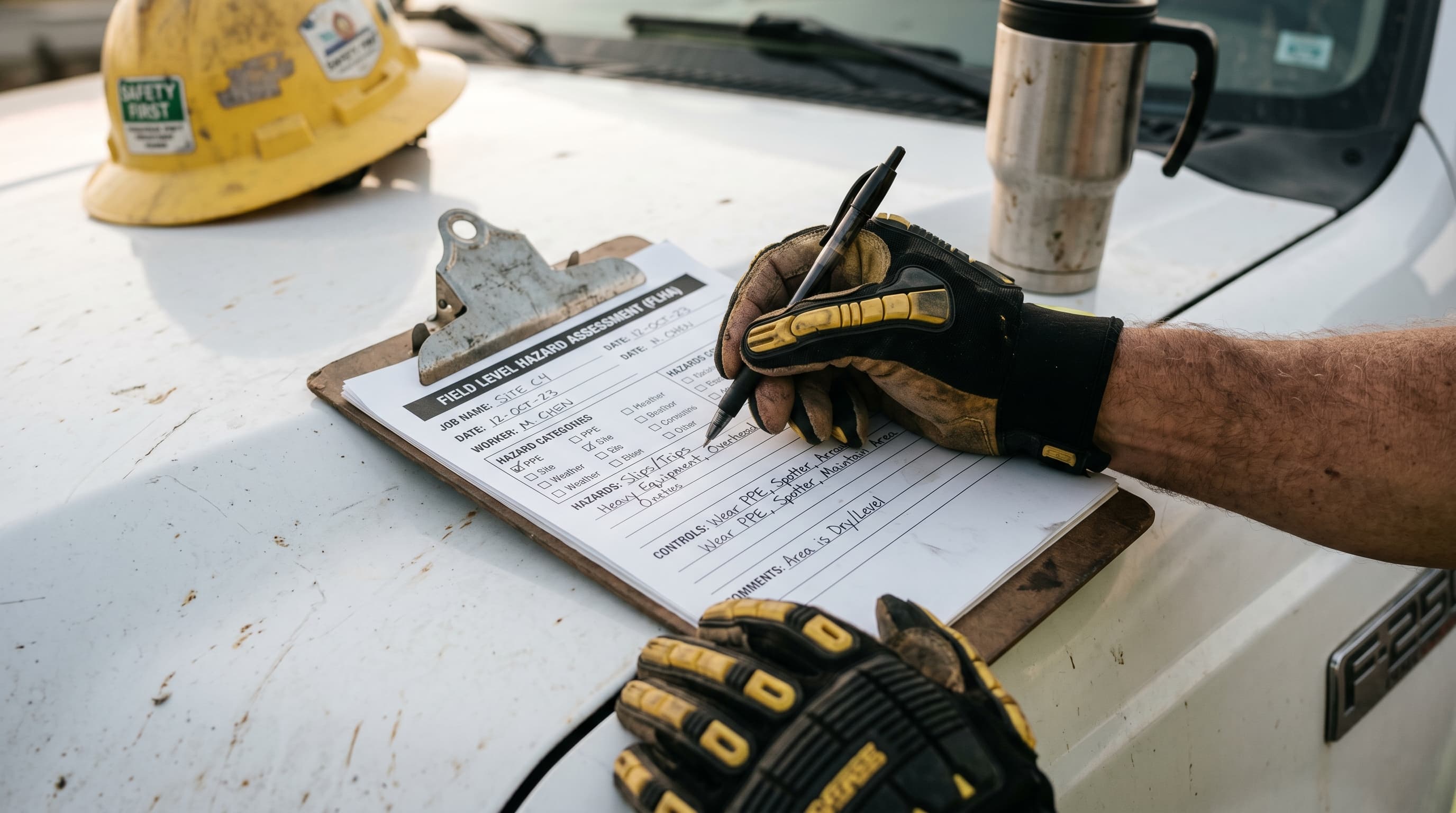
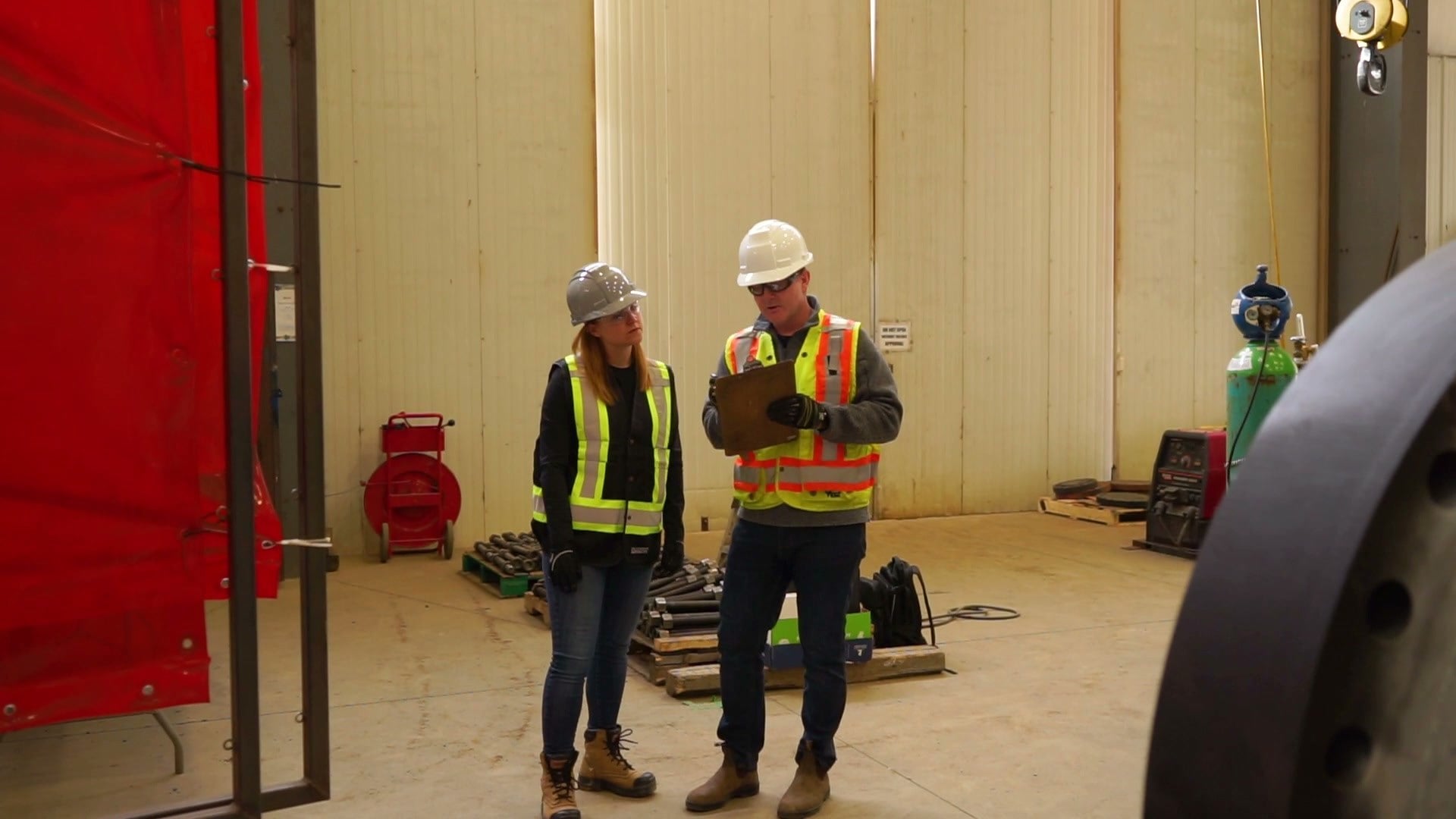
- Workers who complete pre-shift inspections or field level hazard assessments
- Supervisors reinforcing hazard reporting
- Employers adding a short module to site orientation
What you walk away with
Able to do the job, not just describe it
- Explain why hazard recognition matters and how unsafe actions lead to incidents
- Use recommended practices to recognise and address hazards
- Use a checklist for pre-shift inspections
- Describe the four hazard categories
- Stay alert to hazards throughout the shift
Pricing
One seat or the whole crew, priced fairly.
A single seat is $69.99 CAD. Buying one at a time, ask our safety experts for 10 percent off your first course. Training more than two or three people is cheaper through a free On-Track Safety corporate account, which also tracks every certificate and renewal date for you. Move the slider to see the difference.
- Free corporate account, no setup fee
- 20 percent off every course for the first three months
- Automatic certificate and expiry tracking for your whole team
Team pricing
What it costs to train your crew
Individual purchases
One seat at a time, list price
$349.95
Individually with a 10% code
Ask our safety experts for a code
$314.96
Through a free corporate account
20% off every course, first three months
$279.96
A corporate account saves you
$69.99
on 5 seats of Workforce Hazard Recognition Training
No setup fee. The account also tracks every certificate and expiry date for you.
Certificate and format
How the course runs
Your certificate
Pass at 80 percent to download a certificate of completion. The course can be repeated twice. No expiry period is listed.
- Fully online and self-paced, about 20 minutes
- Testing throughout to reinforce the material
- Mobile-friendly, works on a phone or tablet
- Instant access once the seat is purchased
- Certificate available as soon as the course is passed
Why it matters for compliance
Canadian OHS legislation requires employers to identify and control hazards and requires workers to report hazards they find. Hazard recognition training supports both duties. It complements, but does not replace, the employer's formal hazard assessment and the site-specific training workers need.
Common questions
Questions buyers ask
Who is this course for?
- Workers in any industry, especially new workers and anyone who completes pre-shift inspections. It is short enough to add to orientation or a safety meeting.
Is this the same as hazard assessment training?
- No. This course is about recognising hazards on the job. Supervisors who carry out formal hazard assessments should take Hazard Identification, Assessment, and Control, which goes into assessing and controlling risk.
How much does the course cost?
- The course is 69.99 CAD per seat. Ask our safety experts for 10 percent off your first course, or a free On-Track Safety corporate account for 20 percent off every course for the first three months.
Why use a pre-shift checklist?
- A checklist makes the pre-shift look consistent. It reminds workers what to check, creates a record, and makes it less likely that a familiar hazard is missed because everyone has stopped seeing it.
How long does it take?
- About 20 minutes.
Does the certificate expire?
- No expiry period is listed for this course.
What are unsafe actions and unsafe conditions?
- Unsafe actions are things people do, such as skipping a guard or taking a shortcut. Unsafe conditions are things about the workplace, such as a damaged ladder or poor housekeeping. The course explains how both lead to incidents and how workers can eliminate them.
Does it cover field level hazard assessments?
- It covers the hazard recognition skills and pre-shift checklists that sit behind a field level hazard assessment. Your company's own form and procedure should be taught alongside it.
Get your team trained, on the record.
Enrol one person now, or set up a free corporate account and train the whole crew at 20 percent off with every certificate tracked for you.