Online propane safety training
Propane Handling
Propane Handling is a 2025-built course on the safe handling, transport, storage, and use of propane cylinders, covering the CSA Code, the Transportation of Dangerous Goods Act, WHMIS standards, and the Canadian Environmental Protection Act.
Duration
1h
On completion
Certificate of completion
Coverage
All Provinces
Per seat
$45.99 CAD
You set up a training profile before you pay. It asks for more than a normal checkout does - your employer, your role, an emergency contact - because this is a training record, not a shopping cart. It is the file an auditor asks to see, and it is why you can pull your certificate up years from now instead of hunting for a PDF in your email. Give yourself five minutes and do it once.
Trusted by Canadian operators





About the course
What this course covers.
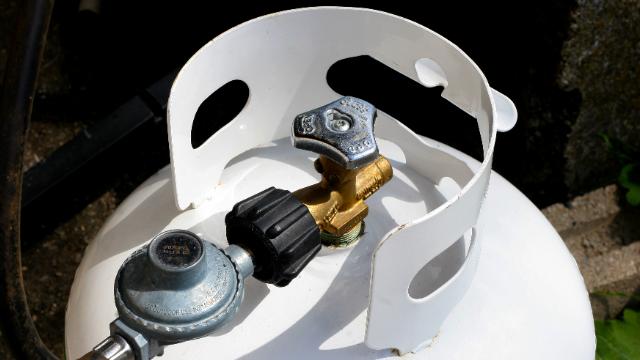
Propane is one of the most common fuels in workplaces and at home - useful, and dangerous if handled incorrectly. This course starts with what propane is, its characteristics, and its common uses, then works through the components of its vapour and liquid withdrawal systems.
It covers the rules and regulations that apply - the Canadian Standards Association (CSA) Code, the Transportation of Dangerous Goods (TDG) Act, the Workplace Hazardous Materials Information System (WHMIS), and the Canadian Environmental Protection Act (CEPA) - and why each governing body is involved: protecting people and the environment from propane's hazards.
It closes with the practical side: safe transport and storage, what to inspect before using a cylinder, the step-by-step process for connecting and disconnecting cylinders, personal protective equipment, and basic emergency response.
Course outline
5 modules, start to finish
Each module ends with a short knowledge check before you move on.
Propane and its uses
What propane is, its characteristics, and common workplace and home uses.
Withdrawal systems
The components of the vapour and liquid withdrawal systems.
Rules, regulations, and hazards
The CSA Code, TDG Act, WHMIS, and CEPA requirements, and propane's hazards.
Transport, storage, and cylinder handling
Safe transport and storage, cylinder inspection, and connecting and disconnecting cylinders.
PPE and emergency response
Personal protective equipment and basic emergency response procedures.
Developed to meet Canadian and provincial standards
What every course includes
Printable and mailed certificates
Digital wallet and wall-sized certificates print the moment the course is passed.
Standards compliant
Built on Canadian federal and provincial legislation, safety standards, and industry best practice.
Self-paced
Unlimited access to the training material. Pause and resume the course any time.
Live student support
Real support is available seven days a week if a learner gets stuck.
Unlimited exam attempts
The exam can be retaken until the learner reaches a passing grade.
Record of training
Training records are stored securely for three years and pulled on demand from the account.
Who it is for
Built for the people running the work
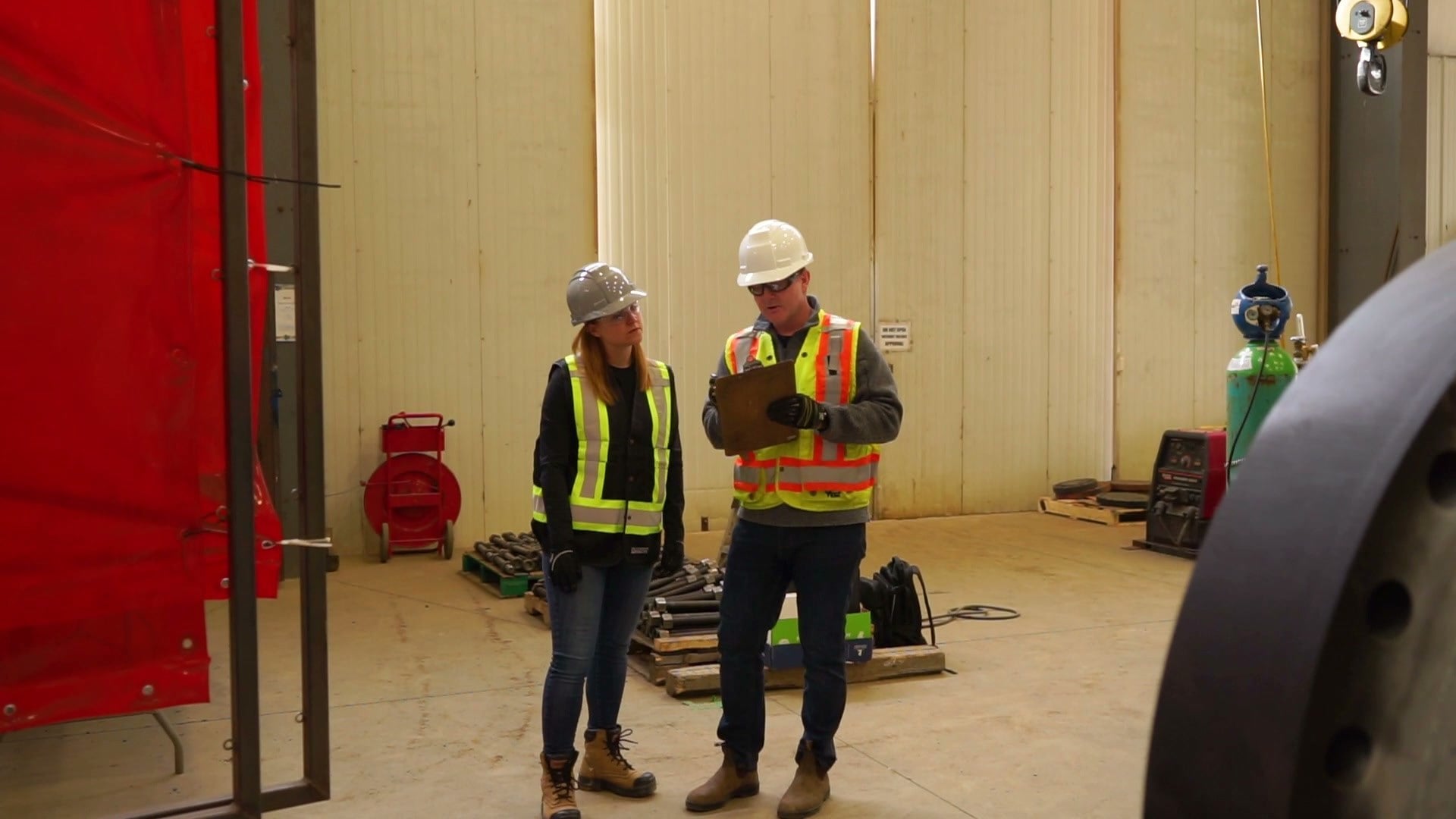
- Workers who transport, store, or handle propane cylinders
- Anyone refuelling equipment such as forklifts with propane
- Employers documenting propane safety training under WHMIS and TDG
What you walk away with
Able to do the job, not just describe it
- Identify the components of propane's vapour and liquid withdrawal systems
- Explain the CSA Code, TDG Act, WHMIS, and CEPA requirements for propane
- Transport, store, and inspect propane cylinders safely
- Connect and disconnect a propane cylinder correctly, using the right PPE
Pricing
One seat or the whole crew, priced fairly.
A single seat is $45.99 CAD. Buying one at a time, ask our safety experts for 10 percent off your first course. Training more than two or three people is cheaper through a free On-Track Safety corporate account, which also tracks every certificate and renewal date for you. Move the slider to see the difference.
- Free corporate account, no setup fee
- 20 percent off every course for the first three months
- Automatic certificate and expiry tracking for your whole team
Team pricing
What it costs to train your crew
Individual purchases
One seat at a time, list price
$229.95
Individually with a 10% code
Ask our safety experts for a code
$206.96
Through a free corporate account
20% off every course, first three months
$183.96
A corporate account saves you
$45.99
on 5 seats of Propane Handling
No setup fee. The account also tracks every certificate and expiry date for you.
Certificate and format
How the course runs
Your certificate
A mark of 80 percent is required, with up to three attempts on the exam. On completion, a certificate of completion is available to download and print. The certificate does not expire.
- Fully online and self-paced - about 60 minutes of content
- Mobile-friendly - start on a laptop, finish on a phone
- Instant access as soon as the course is purchased
Why it matters for compliance
Workers who need a formal ROT (Refill Operator Training) certification in Ontario still require a TSSA-approved provider and an in-person evaluation - this course alone does not satisfy that requirement.
Common questions
Questions buyers ask
How much does this course cost?
- The course is 45.99 CAD per seat. Ask our safety experts for 10 percent off your first course, or set up a free On-Track Safety corporate account for 20 percent off every course for the first three months when training a fleet.
How long does the course take?
- About 60 minutes of self-paced online content.
Does this satisfy Ontario's ROT certification requirement?
- Not on its own. A worker who needs formal ROT (Refill Operator Training) certification in Ontario still needs a TSSA-approved provider and an in-person evaluation.
How is this different from On-Track's Propane Handling and Exchange course?
- This course cites a different regulation set - the CSA Code, TDG Act, WHMIS, and CEPA - and was built in 2025. Propane Handling and Exchange cites CSA B149.2-10 and OSHA 1910.110 specifically and runs slightly longer.
Does the certificate expire?
- No, the certificate does not expire.
Get your team trained, on the record.
Enrol one person now, or set up a free corporate account and train the whole crew at 20 percent off with every certificate tracked for you.