Online safety training
Gas Detection
Gas Detection and Nitrogen Awareness is an online safety course on the atmospheric hazards a worker cannot see or smell. It covers how gases and vapours behave, the dangers of nitrogen, the difference between gas testing, monitoring, and detection, and how to use and care for the electronic monitors that keep a worker safe.
Duration
1h 15m
On completion
Certificate, valid 36 month(s)
Coverage
All Provinces
Per seat
$99.99 CAD
You set up a training profile before you pay. It asks for more than a normal checkout does - your employer, your role, an emergency contact - because this is a training record, not a shopping cart. It is the file an auditor asks to see, and it is why you can pull your certificate up years from now instead of hunting for a PDF in your email. Give yourself five minutes and do it once.
Trusted by Canadian operators


About the course
What this course covers.
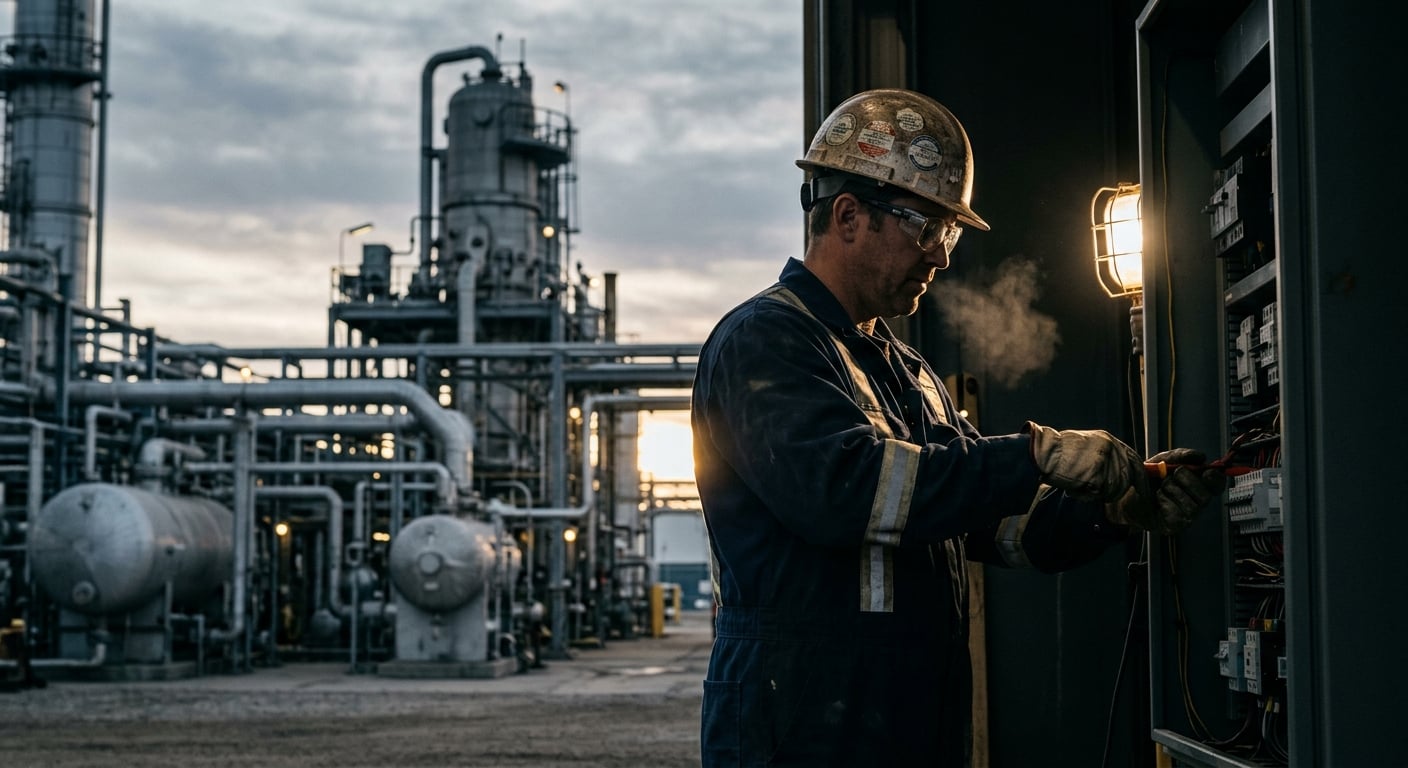
An atmospheric hazard gives no warning. A space can be oxygen-deficient, toxic, or flammable while looking completely normal, and the worker who walks in untested often does not walk out. Nitrogen is the quiet example - it displaces oxygen with no smell and no colour. This course teaches workers to respect what they cannot see.
The course covers the hazards and characteristics of gases and vapours, the properties and dangers of nitrogen, and the difference between gas testing, monitoring, and detection. It works through the reasons and conditions for testing a hazardous atmosphere, how to choose testing equipment, the use of handheld mechanical testers, and the operation and care of electronic sensors and monitors - including zeroing, bump testing, and calibration - and the proper use of a personal monitor.
Companies use Gas Detection and Nitrogen Awareness to train workers before they enter a space with an atmospheric hazard, to support confined space and facility work, and to give a documented training record.
Pass mark 80%
Score the pass mark to earn the certificate.
Course outline
5 modules, start to finish
Each module ends with a short knowledge check before you move on.
Atmospheric hazards
The hazards and characteristics of gases and vapours, and the properties, uses, and dangers of nitrogen.
Testing, monitoring, and detection
The difference between gas testing, monitoring, and detection, and the reasons and conditions for testing a hazardous atmosphere.
Gas testing equipment
The factors in choosing gas testing equipment, and the proper use of handheld mechanical testers.
Electronic monitors
The general operation and care of electronic sensors, the types of electronic monitor, and zeroing, bump testing, and calibrating them.
Personal monitors
The proper use and care of a personal gas monitor on the job.
Developed to meet Canadian and provincial standards
What every course includes
Printable and mailed certificates
Digital wallet and wall-sized certificates print the moment the course is passed.
Standards compliant
Built on Canadian federal and provincial legislation, safety standards, and industry best practice.
Self-paced
Unlimited access to the training material. Pause and resume the course any time.
Live student support
Real support is available seven days a week if a learner gets stuck.
Unlimited exam attempts
The exam can be retaken until the learner reaches a passing grade.
Record of training
Training records are stored securely for three years and pulled on demand from the account.
What learners say
Trusted by Canadian crews
Nitrogen is the one our crews underestimated. This course makes the invisible danger real, and the monitor section is genuinely practical.
Dwayne F.
HSE Coordinator
We run a lot of confined space work and gas testing has to be second nature. This is the course we put everyone through first.
Renata K.
Safety Advisor
The bump test and calibration part is what I use every shift. The course explains why, not just how.
Tony M.
Operator
Who it is for
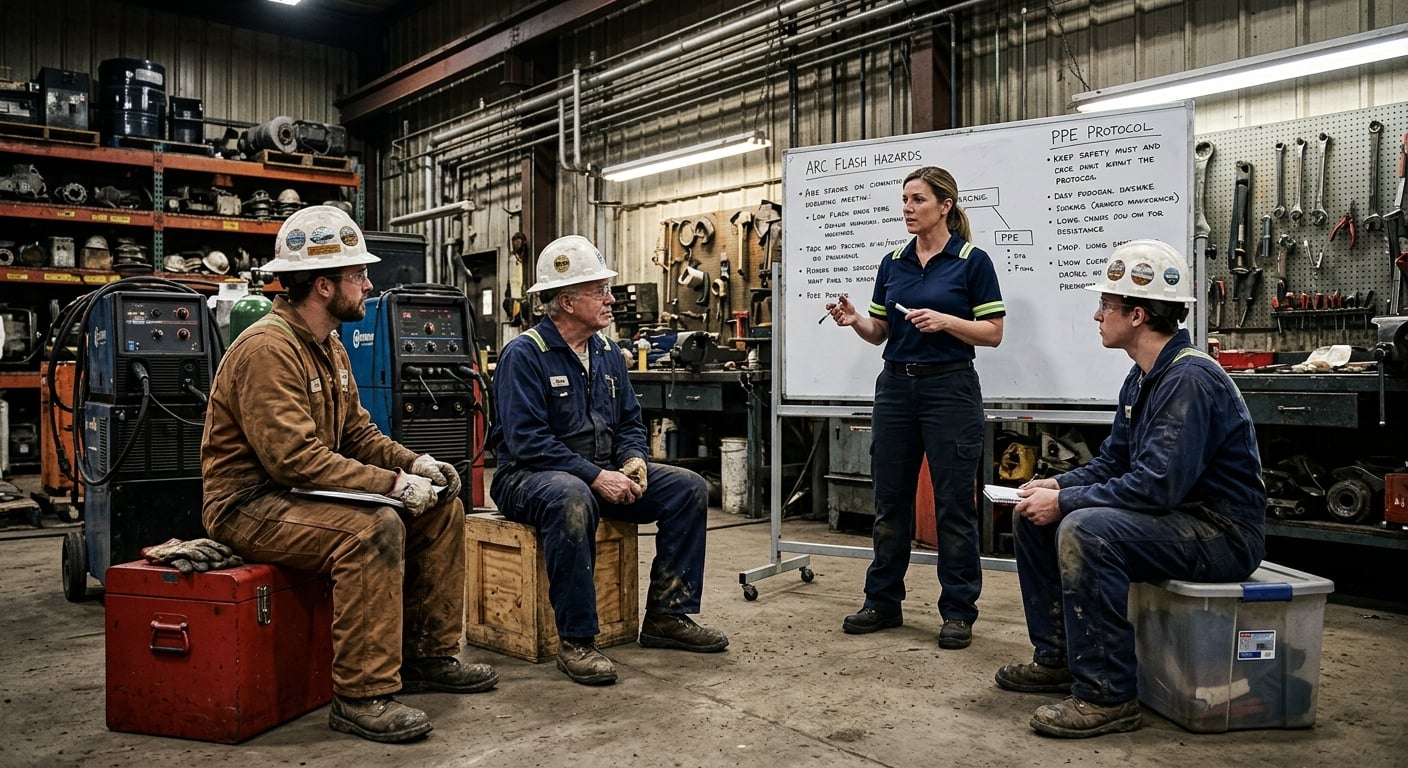
Built for the people running the work
- Workers who enter spaces that can hold an atmospheric hazard
- Oil and gas, facility, and industrial maintenance workers
- Workers who carry and rely on a personal gas monitor
- Confined space crews who test and monitor an atmosphere
- Any company that needs a documented gas detection training record
What you walk away with
Able to do the job, not just describe it
- Recognise the hazards and characteristics of gases and vapours
- Explain the properties and dangers of nitrogen
- Tell gas testing, monitoring, and detection apart and know when to test
- Choose and use handheld testers and electronic gas monitors
- Zero, bump test, calibrate, and care for a personal monitor
Pricing
One seat or the whole crew, priced fairly.
A single seat is $99.99 CAD. Buying one at a time, code ONTRACK10 takes 10 percent off at checkout. Training more than two or three people is cheaper through a free On-Track Safety corporate account, which also tracks every certificate and renewal date for you. Move the slider to see the difference.
- Free corporate account, no setup fee
- 20 percent off every course for the first three months
- Automatic certificate and expiry tracking for your whole team
Team pricing
What it costs to train your crew
Individual purchases
One seat at a time, list price
$499.95
Individually with code ONTRACK10
10% off, applied at checkout
$449.96
Through a free corporate account
20% off every course, first three months
$399.96
A corporate account saves you
$99.99
on 5 seats of Gas Detection
No setup fee. The account also tracks every certificate and expiry date for you.
Certificate and format
How the course runs
Your certificate
A mark of 80 percent is required on each chapter, and a chapter can be repeated as many times as needed to reach the pass mark. On completion the worker downloads and prints a certificate of completion valid for three years from the completion date.
- Fully online and self-paced - about 75 minutes of content
- Mobile-friendly - runs on a laptop, tablet, or phone
- Instant access as soon as the course is purchased
- Tested chapter by chapter, with unlimited attempts per chapter
- Certificate of completion valid for three years
Why it matters for compliance
Occupational health and safety legislation requires that hazardous atmospheres are tested and that workers exposed to them are trained and competent. Gas Detection and Nitrogen Awareness provides the documented training record a COR auditor or a contractor pre-qualification platform looks for, though some jurisdictions also require a practical evaluation on the equipment.
Common questions
Questions buyers ask
How much does the Gas Detection course cost?
- The course is 99.99 CAD per seat. Use code ONTRACK10 at checkout for 10 percent off an individual purchase, or set up a free On-Track Safety corporate account for 20 percent off every course for the first three months when training a crew.
How long does the course take?
- The course is about 75 minutes of content and is fully self-paced, so a worker can complete it in one sitting or across a couple of shorter sessions without losing their place.
Does the Gas Detection certificate expire?
- Yes. The certificate of completion is valid for three years from the completion date shown on it, after which the worker retakes the course to stay current.
Does this course cover confined space gas testing?
- Yes. The course covers gas testing, monitoring, and detection in full, which is the atmospheric side of confined space work. Confined space entry itself is covered by the separate Confined Space Entry and Monitor course.
Is online gas detection training enough on its own?
- The course delivers the knowledge-based training and the documented certificate the work expects. Where a jurisdiction requires a hands-on practical evaluation on the specific monitor, the employer arranges that separately on top of this course.
Get your team trained, on the record.
Enrol one person now, or set up a free corporate account and train the whole crew at 20 percent off with every certificate tracked for you.