Online equipment training
Telehandler (Variable Reach Forklift)
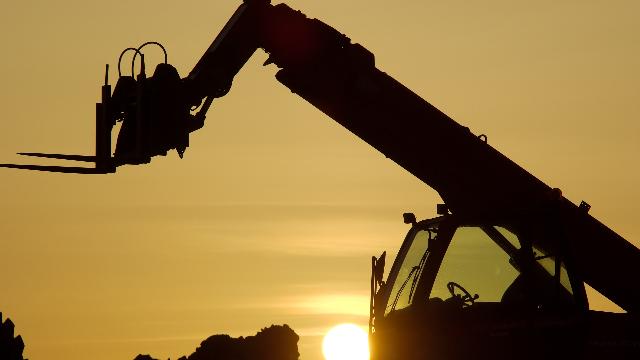
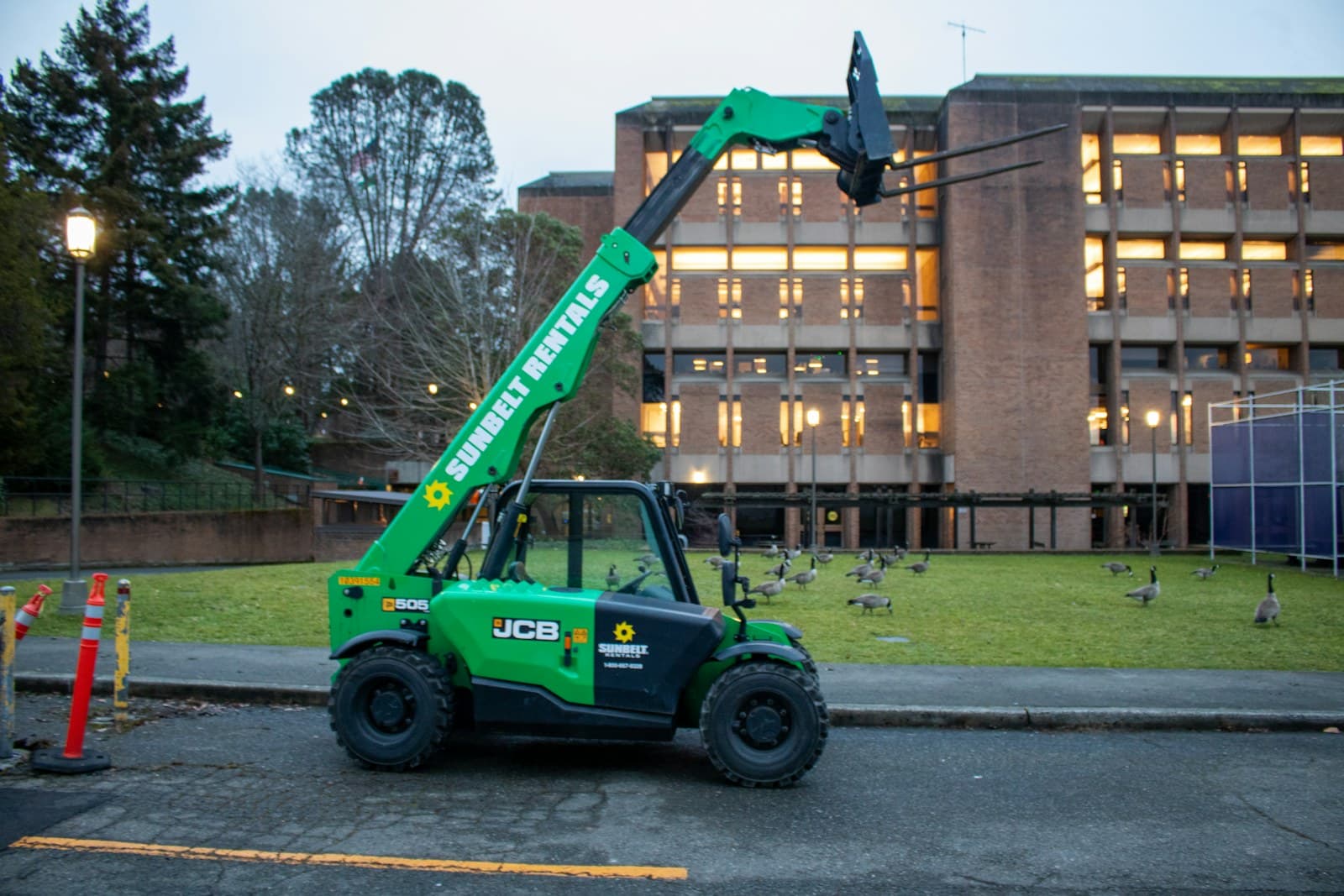
Telehandler (Variable Reach Forklift) is an online theory course for operators of telehandlers, also called variable reach forklifts, telescopic forklifts or zoom booms. It covers the machine's components, load charts, stability and centre of gravity, inspections, safe travel and lifting, and the operator's legislated responsibilities.
Duration
1h 15m
On completion
Certificate, valid 36 month(s)
Coverage
All Provinces
Per seat
$99.99 CAD
You set up a training profile before you pay. It asks for more than a normal checkout does - your employer, your role, an emergency contact - because this is a training record, not a shopping cart. It is the file an auditor asks to see, and it is why you can pull your certificate up years from now instead of hunting for a PDF in your email. Give yourself five minutes and do it once.
Trusted by Canadian operators




About the course
What this course covers.
A telehandler looks like a forklift and behaves like a crane. The moment the boom extends, the machine's capacity changes, and an operator who reads the load chart wrong can tip a fully rated machine with a load it lifted easily a minute earlier. The supplier's own description puts it plainly: the biggest hazard is unsafe operation, which means most telehandler incidents can be prevented with proper training.
This course builds the theory an operator needs before they touch the controls. It starts with the components of the machine and the safety symbols, operator's manual and load charts that come with it, then moves to the site inspection, walk-around inspection and function checks done before work begins. From there it covers travelling safely, the principles of balance and stability, centre of gravity, lift techniques, working near power lines, and refuelling, parking and shutting the machine down at the end of the shift.
The supplier states the theory was written to the requirements in CSA Standard B335-15 for lift trucks, alongside the matching US standards. It is the classroom half of operator training. The certificate is clear that full certification needs a practical skills assessment on the actual machine, which the employer arranges. Companies use the course to deliver consistent theory to every operator before that hands-on evaluation.
Pass mark 80%
Score the pass mark to earn the certificate.
Course outline
6 modules, start to finish
Each module ends with a short knowledge check before you move on.
Telehandler components and documentation
The parts of a variable reach forklift and what each does, plus the safety symbols, the operator's manual and how to read the load chart.
Site inspections and pre-use checks
Inspecting the work area before lifting, the walk-around inspection and the function checks that confirm the machine is fit to operate.
Balance, stability and centre of gravity
Why capacity changes with boom angle and extension, how the stability of the machine shifts, and how centre of gravity affects every lift.
Travelling and lift techniques
Safe travelling techniques, picking up, carrying and placing loads, and keeping the machine inside its rated capacity.
Power lines and legislated requirements
Working safely around overhead power lines and the legal responsibilities that come with operating a telehandler.
Refuelling, parking and shutdown
Refuelling safely and the correct steps for parking and shutting down a telehandler.
Developed to meet Canadian and provincial standards
What every course includes
Printable and mailed certificates
Digital wallet and wall-sized certificates print the moment the course is passed.
Standards compliant
Built on Canadian federal and provincial legislation, safety standards, and industry best practice.
Self-paced
Unlimited access to the training material. Pause and resume the course any time.
Live student support
Real support is available seven days a week if a learner gets stuck.
Unlimited exam attempts
The exam can be retaken until the learner reaches a passing grade.
Record of training
Training records are stored securely for three years and pulled on demand from the account.
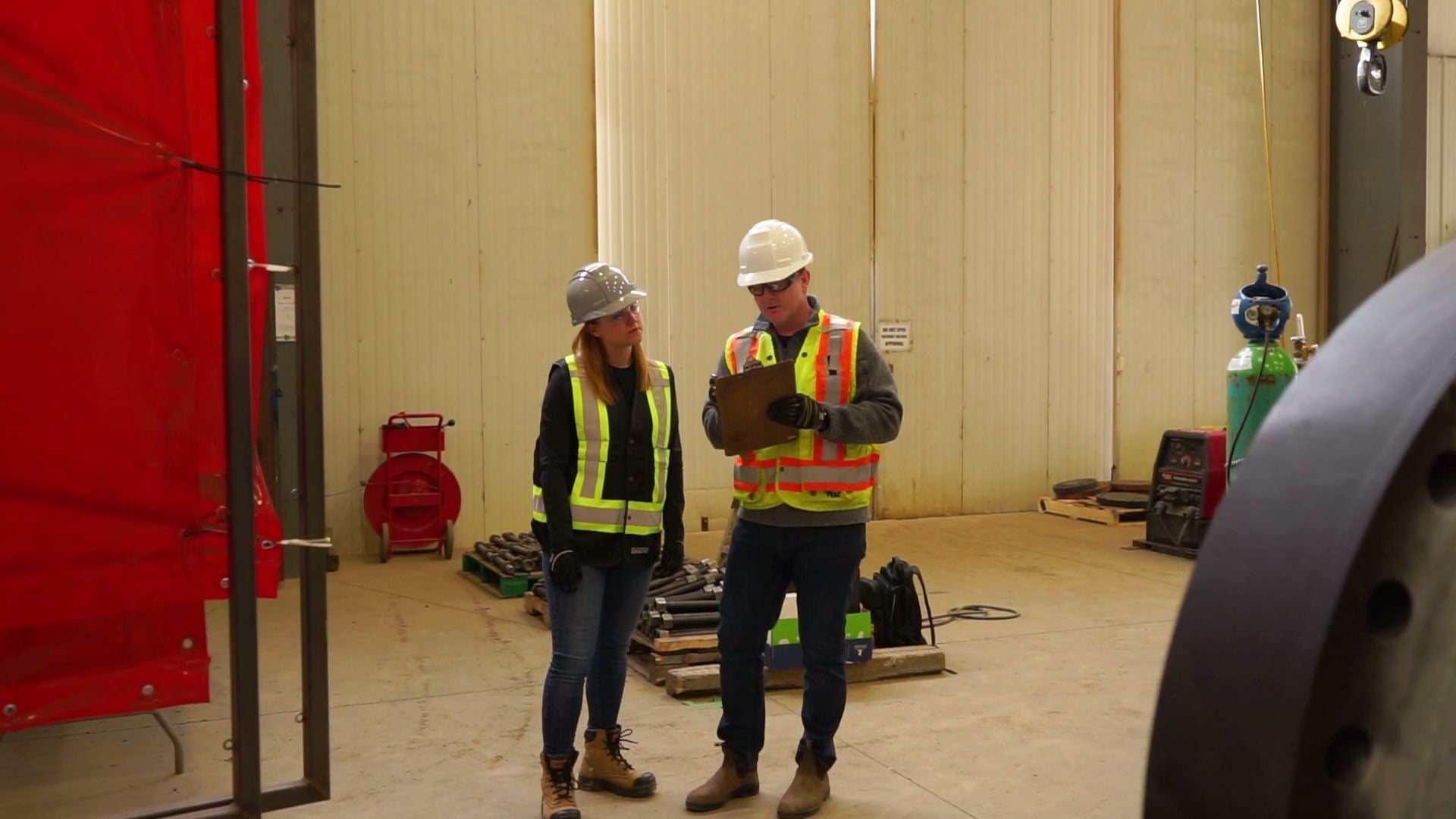
Who it is for
Built for the people running the work
- New telehandler, zoom boom and variable reach forklift operators
- Experienced operators who need documented theory training on file
- Construction, agriculture and industrial crews that move material with a telehandler
- Supervisors who assign operators and sign off practical evaluations
- Employers documenting equipment training for a contractor pre-qualification platform
What you walk away with
Able to do the job, not just describe it
- Identify the components of a telehandler and explain what each one does
- Read a telehandler load chart and stay inside the machine's rated capacity
- Complete a site inspection, walk-around inspection and function checks before use
- Explain how boom angle, extension and centre of gravity affect stability
- Travel, lift, park and shut down a telehandler using safe techniques
Pricing
One seat or the whole crew, priced fairly.
A single seat is $99.99 CAD. Buying one at a time, ask our safety experts for 10 percent off your first course. Training more than two or three people is cheaper through a free On-Track Safety corporate account, which also tracks every certificate and renewal date for you. Move the slider to see the difference.
- Free corporate account, no setup fee
- 20 percent off every course for the first three months
- Automatic certificate and expiry tracking for your whole team
Team pricing
What it costs to train your crew
Individual purchases
One seat at a time, list price
$499.95
Individually with a 10% code
Ask our safety experts for a code
$449.96
Through a free corporate account
20% off every course, first three months
$399.96
A corporate account saves you
$99.99
on 5 seats of Telehandler (Variable Reach Forklift)
No setup fee. The account also tracks every certificate and expiry date for you.
Certificate and format
How the course runs
Your certificate
Pass the course at 80 percent and download a certificate of completion valid for three years from the completion date, unless an employer, legislation or another authority sets a shorter period. The course can be attempted three times to reach the pass mark. A practical skills assessment on the actual machine is still required for full certification.
- Fully online and self-paced theory training
- Mobile-friendly, pause and resume at any point
- Instant access once the seat is purchased
- Certificate available to download the moment the course is passed
- Valid for three years; practical evaluation arranged by the employer
Why it matters for compliance
Canadian occupational health and safety rules expect powered mobile equipment operators to be trained and competent on the equipment they run, and lift truck training in Canada is commonly built around CSA Standard B335. This course delivers the theory component; the hands-on evaluation and site-specific familiarisation remain the employer's responsibility.
Common questions
Questions buyers ask
Is a telehandler the same as a variable reach forklift or zoom boom?
- Yes. Telehandler, variable reach forklift, telescopic forklift, telescopic handler and zoom boom are all names for the same type of machine: a lift truck with a telescoping boom. This course covers that machine under all of those names.
Does this online course certify me to operate a telehandler?
- It covers the theory. The supplier states that full certification requires a practical skills assessment, so your employer still needs to evaluate you on the actual machine and familiarise you with the site before you operate independently.
How much does the course cost?
- The course is 99.99 CAD per seat. Ask our safety experts for 10 percent off your first course, or open a free On-Track Safety corporate account for 20 percent off every course for the first three months.
How long is the telehandler certificate valid?
- Three years from the completion date printed on the certificate, unless your employer, legislation or another authority sets a shorter renewal period.
How is this different from the other telehandler courses?
- On-Track Safety carries several telehandler courses. This one is a focused theory course of about an hour and a quarter. Telehandler Certification is a longer program, and Telehandler - Operator Safety (CAN) packages general mobile equipment safety with telehandler content. Choose by how much depth your operators need.
What happens if I do not pass the first time?
- The course can be taken up to three times to reach the 80 percent pass mark.
Build the full picture
Related courses
Get your team trained, on the record.
Enrol one person now, or set up a free corporate account and train the whole crew at 20 percent off with every certificate tracked for you.