Online equipment training
Rigging Safety Training
Rigging Safety Training is a 30-minute online course on rigging loads to be moved by cranes, hoists and other lifting equipment. It covers choosing and inspecting slings and hardware, planning a lift, determining a load's weight, using a sling angle chart, the common hitches, and working safely with a crane operator.
Duration
30m
On completion
Certificate of completion
Coverage
All Provinces
Per seat
$69.99 CAD
You set up a training profile before you pay. It asks for more than a normal checkout does - your employer, your role, an emergency contact - because this is a training record, not a shopping cart. It is the file an auditor asks to see, and it is why you can pull your certificate up years from now instead of hunting for a PDF in your email. Give yourself five minutes and do it once.
Trusted by Canadian operators




About the course
What this course covers.
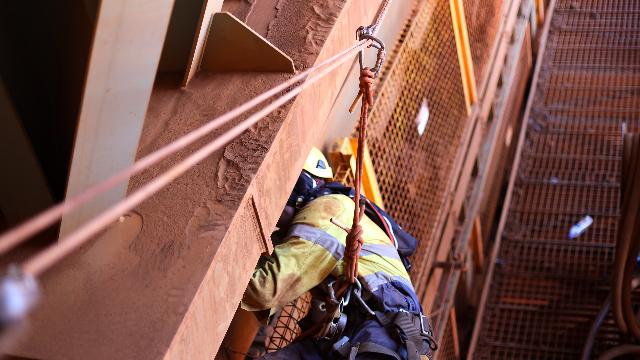
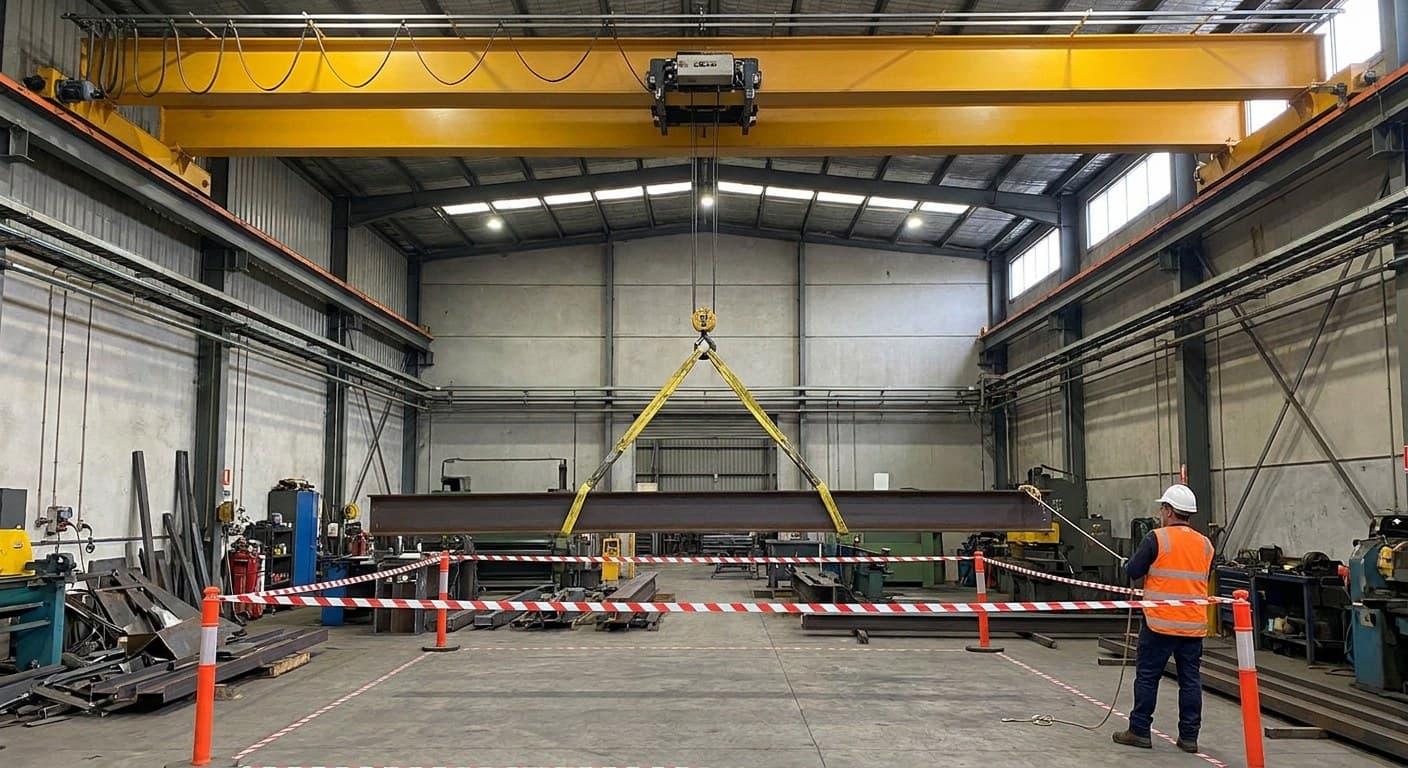
A rigged load is only as safe as the decisions made before it leaves the ground: which sling, which hitch, what the load weighs, where its centre of gravity sits, and what the sling angle does to the capacity. Most rigging failures trace back to one of those decisions. This short course is built around making them correctly, and is a practical option when a worker needs a focused rigging refresher or an introduction before longer training.
It covers the advantages, disadvantages and limitations of each type of sling, and the inspection criteria for slings and rigging hardware that decide whether a piece of gear goes on the hook or out of service. Lift planning is approached as a set of questions a rigger should ask before every lift. The course explains the methods for determining a load's weight, the factors that reduce a sling's lifting capacity, and how to balance the load.
It then covers the characteristics of vertical, choker and basket hitches, how a sling angle chart is used, and the hazards of working near a crane along with the safe practices for avoiding them, including working with the crane operator. At about half an hour, it fits into an onboarding day or a safety meeting, and it pairs well with longer rigging and signalperson courses for workers who rig every day.
Pass mark 80%
Score the pass mark to earn the certificate.
Course outline
5 modules, start to finish
Each module ends with a short knowledge check before you move on.
Selecting rigging equipment
Sling types and their advantages, disadvantages and limitations, and choosing the right sling and hardware for the load.
Inspecting rigging equipment
Inspection criteria for slings and rigging hardware, and when gear must be removed from service.
Planning the lift
The questions a rigger should ask, determining load weight, capacity factors and balancing the load.
Hitches and sling angles
Vertical, choker and basket hitches, and using a sling angle chart.
Following safe practices
Hazards of working near a crane, safe practices to avoid them, and working with the crane operator.
Developed to meet Canadian and provincial standards
What every course includes
Printable and mailed certificates
Digital wallet and wall-sized certificates print the moment the course is passed.
Standards compliant
Built on Canadian federal and provincial legislation, safety standards, and industry best practice.
Self-paced
Unlimited access to the training material. Pause and resume the course any time.
Live student support
Real support is available seven days a week if a learner gets stuck.
Unlimited exam attempts
The exam can be retaken until the learner reaches a passing grade.
Record of training
Training records are stored securely for three years and pulled on demand from the account.
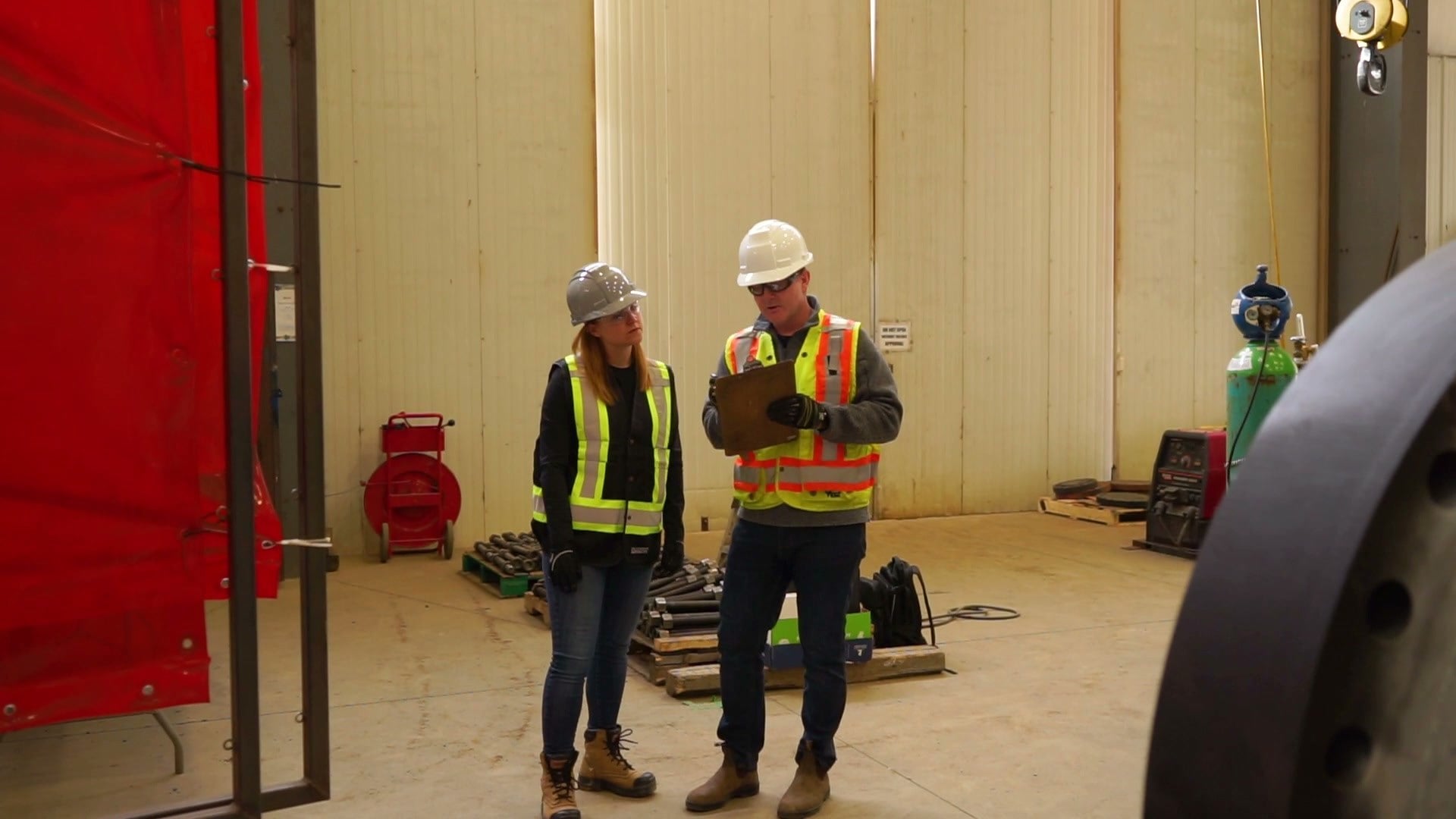
Who it is for
Built for the people running the work
- Workers who rig loads occasionally as part of their job
- New riggers before longer rigging training
- Shop, plant and maintenance workers using overhead cranes and hoists
- Crane operators who want the rigger's perspective
- Supervisors who plan or approve lifts
What you walk away with
Able to do the job, not just describe it
- Choose a sling type based on its advantages and limitations
- Inspect slings and rigging hardware against clear criteria
- Plan a lift by asking the right questions first
- Determine a load's weight and the factors that affect sling capacity
- Use vertical, choker and basket hitches and a sling angle chart
- Work safely near a crane and with the operator
Pricing
One seat or the whole crew, priced fairly.
A single seat is $69.99 CAD. Buying one at a time, ask our safety experts for 10 percent off your first course. Training more than two or three people is cheaper through a free On-Track Safety corporate account, which also tracks every certificate and renewal date for you. Move the slider to see the difference.
- Free corporate account, no setup fee
- 20 percent off every course for the first three months
- Automatic certificate and expiry tracking for your whole team
Team pricing
What it costs to train your crew
Individual purchases
One seat at a time, list price
$349.95
Individually with a 10% code
Ask our safety experts for a code
$314.96
Through a free corporate account
20% off every course, first three months
$279.96
A corporate account saves you
$69.99
on 5 seats of Rigging Safety Training
No setup fee. The account also tracks every certificate and expiry date for you.
Certificate and format
How the course runs
Your certificate
Pass at 80 percent to download a certificate of completion. The course can be repeated twice. No expiry period is listed.
- Fully online and self-paced, about 30 minutes
- Testing throughout to reinforce the material
- Mobile-friendly, pause and resume at any point
- Instant access once the seat is purchased
- Certificate available as soon as the course is passed
Why it matters for compliance
Provincial OHS rules across Canada require rigging to be inspected and used by competent workers and set requirements for cranes, hoists and slings. This short course provides awareness-level rigging training; workers who rig regularly should also complete fuller rigging training and be evaluated on site by their employer.
Common questions
Questions buyers ask
Is a 30-minute course enough to become a rigger?
- No. It is a focused introduction or refresher. Workers who rig regularly should take a fuller rigging course and be evaluated by their employer on the equipment they use.
Does it cover sling angles?
- Yes. It explains how sling angle affects capacity and how to use a sling angle chart, along with vertical, choker and basket hitches.
How much does the course cost?
- The course is 69.99 CAD per seat. Ask our safety experts for 10 percent off your first course, or a free On-Track Safety corporate account for 20 percent off every course for the first three months.
Which rigging course should I take?
- For a short introduction or refresher, this one. For full training, Rigging (Basic), Rigging (Intermediate) and Rigging and Slinging (Advanced) go into more depth, and Rigger and Signalperson (CAN) adds the signalling role.
Does the certificate expire?
- No expiry period is listed for this course.
Does it cover overhead cranes and hoists?
- Yes. It covers rigging loads moved by cranes, hoists and other lifting equipment.
Why does load weight matter so much?
- Every rigging decision depends on it: the sling, the hitch, the hardware and the crane all have limits. The course covers methods for determining a load's weight and the factors, such as sling angle and hitch type, that reduce what a sling can safely lift.
Does the course cover working with the crane operator?
- Yes. It covers the hazards of working near a crane, the safe practices for avoiding them, and how riggers work with the crane operator during a lift.
Build the full picture
Related courses
Get your team trained, on the record.
Enrol one person now, or set up a free corporate account and train the whole crew at 20 percent off with every certificate tracked for you.