Online safety training
Gas Detection Equipment
Gas Detection Equipment is a 35-minute online course on the devices used to detect hazardous gases at work. It covers handheld mechanical testers, continuous monitors and their sensor types, fixed, area and personal monitor placement, equipment testing and maintenance, and how monitoring fits into the hierarchy of controls for atmospheric hazards.
Duration
35m
On completion
Certificate of completion
Coverage
All Provinces
Per seat
$49.99 CAD
You set up a training profile before you pay. It asks for more than a normal checkout does - your employer, your role, an emergency contact - because this is a training record, not a shopping cart. It is the file an auditor asks to see, and it is why you can pull your certificate up years from now instead of hunting for a PDF in your email. Give yourself five minutes and do it once.
Trusted by Canadian operators





About the course
What this course covers.
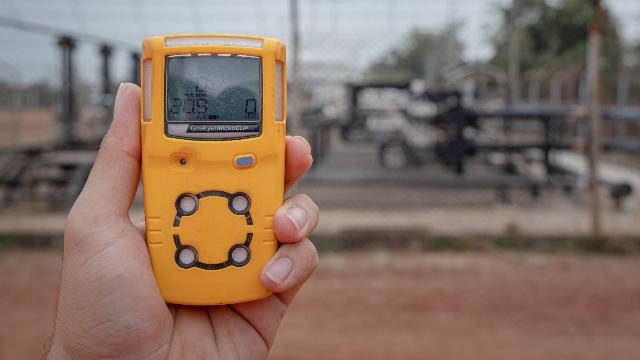
A gas monitor is only as good as the person who chose it, placed it and maintained it. Workers often carry a detector every day without knowing what type of sensor is inside, what it can and cannot detect, or why a skipped check matters. This course explains the equipment so the people relying on it can trust what it tells them.
It starts with handheld mechanical testers, devices that work without electricity to measure the concentration of a known gas, and how to use them correctly. It then covers continuous monitors for ongoing testing through the day and the four main sensor technologies: electrochemical, catalytic bead, infrared and photoionization, each designed to detect specific gases in different ways. Placement is next: fixed monitors, placed area monitors and personal monitors carried by workers, with the advantages and drawbacks of each.
Even the right monitor in the right place only works if it is tested and maintained, so the course covers the methods for testing and maintaining monitors. It closes on the hierarchy of hazard control, making the point that monitors are one part of protecting workers from dangerous gases, not a substitute for eliminating or controlling the source. A final exam checks understanding.
Pass mark 80%
Score the pass mark to earn the certificate.
Course outline
5 modules, start to finish
Each module ends with a short knowledge check before you move on.
Handheld mechanical testers
How non-electric handheld testers measure a known gas and how to use them correctly.
Continuous monitors and sensor types
Continuous monitors and electrochemical, catalytic bead, infrared and photoionization sensors.
Fixed, placed area and personal monitors
Monitor placement options and the pros and cons of each.
Equipment testing and maintenance
Methods for testing and maintaining gas monitors so they stay reliable.
Controlling atmospheric hazards
Where gas monitoring fits in the hierarchy of hazard control.
Developed to meet Canadian and provincial standards
What every course includes
Printable and mailed certificates
Digital wallet and wall-sized certificates print the moment the course is passed.
Standards compliant
Built on Canadian federal and provincial legislation, safety standards, and industry best practice.
Self-paced
Unlimited access to the training material. Pause and resume the course any time.
Live student support
Real support is available seven days a week if a learner gets stuck.
Unlimited exam attempts
The exam can be retaken until the learner reaches a passing grade.
Record of training
Training records are stored securely for three years and pulled on demand from the account.
Who it is for
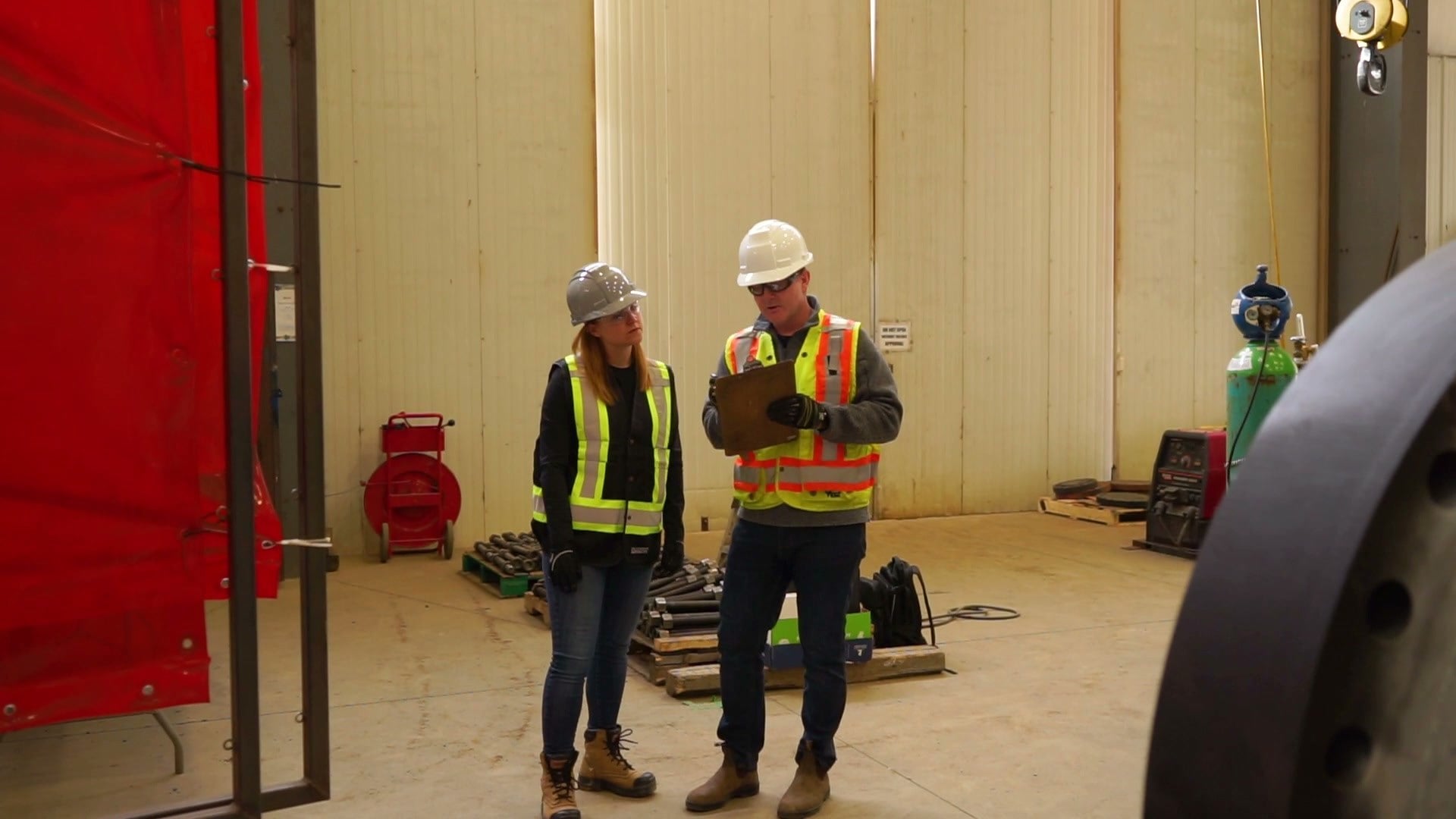
Built for the people running the work
- Workers who carry personal gas monitors
- Confined space entrants, attendants and monitors
- Oil and gas, utility, wastewater and industrial crews
- Supervisors who select or manage gas detection equipment
- Maintenance staff who look after monitors
What you walk away with
Able to do the job, not just describe it
- Use a handheld mechanical tester correctly
- Describe the main continuous monitor sensor types and what each detects
- Choose between fixed, area and personal monitor placement
- Explain why testing and maintenance are essential
- Place gas monitoring within the hierarchy of hazard control
Pricing
One seat or the whole crew, priced fairly.
A single seat is $49.99 CAD. Buying one at a time, ask our safety experts for 10 percent off your first course. Training more than two or three people is cheaper through a free On-Track Safety corporate account, which also tracks every certificate and renewal date for you. Move the slider to see the difference.
- Free corporate account, no setup fee
- 20 percent off every course for the first three months
- Automatic certificate and expiry tracking for your whole team
Team pricing
What it costs to train your crew
Individual purchases
One seat at a time, list price
$249.95
Individually with a 10% code
Ask our safety experts for a code
$224.96
Through a free corporate account
20% off every course, first three months
$199.96
A corporate account saves you
$49.99
on 5 seats of Gas Detection Equipment
No setup fee. The account also tracks every certificate and expiry date for you.
Certificate and format
How the course runs
Your certificate
Pass the final exam at 80 percent to download a certificate of completion. The test can be repeated three times. No expiry period is listed.
- Fully online and self-paced, about 35 minutes
- Final exam at the end
- Mobile-friendly, pause and resume at any point
- Instant access once the seat is purchased
- Certificate available as soon as the course is passed
Why it matters for compliance
Where workers may be exposed to hazardous atmospheres, Canadian OHS rules require employers to assess the hazard, monitor where necessary, and train workers on the equipment they use. This course provides general knowledge of gas detection equipment; workers must also be trained on the specific monitors, manufacturer instructions and procedures at their site.
Common questions
Questions buyers ask
What sensor types does the course cover?
- Electrochemical, catalytic bead, infrared and photoionization sensors, and how each detects gases differently.
Does it teach me to use my company's specific monitor?
- No. It covers gas detection equipment in general. Follow the manufacturer's instructions and your employer's training for the specific monitor you carry.
How much does the course cost?
- The course is 49.99 CAD per seat. Ask our safety experts for 10 percent off your first course, or a free On-Track Safety corporate account for 20 percent off every course for the first three months.
Why does monitor placement matter?
- A fixed monitor protects an area, a personal monitor protects the worker wearing it, and an area monitor can be moved to where the work is. Each has trade-offs, and the course explains them.
Is a gas monitor enough to protect workers?
- No. The course places monitoring within the hierarchy of controls: eliminating or controlling the source comes first, and monitors are one layer of protection.
How long does it take?
- About 35 minutes, plus the final exam.
What is a handheld mechanical tester?
- A device that measures the concentration of a known gas without using electricity. The course explains how they work and how to use them correctly, alongside electronic continuous monitors.
Who should take gas detection training?
- Anyone who carries or relies on a gas monitor, including confined space entrants and monitors, and the supervisors and maintenance staff who choose, place and look after the equipment.
Build the full picture
Related courses
Get your team trained, on the record.
Enrol one person now, or set up a free corporate account and train the whole crew at 20 percent off with every certificate tracked for you.