Tap a page to see it full size.
Toolbox Talks
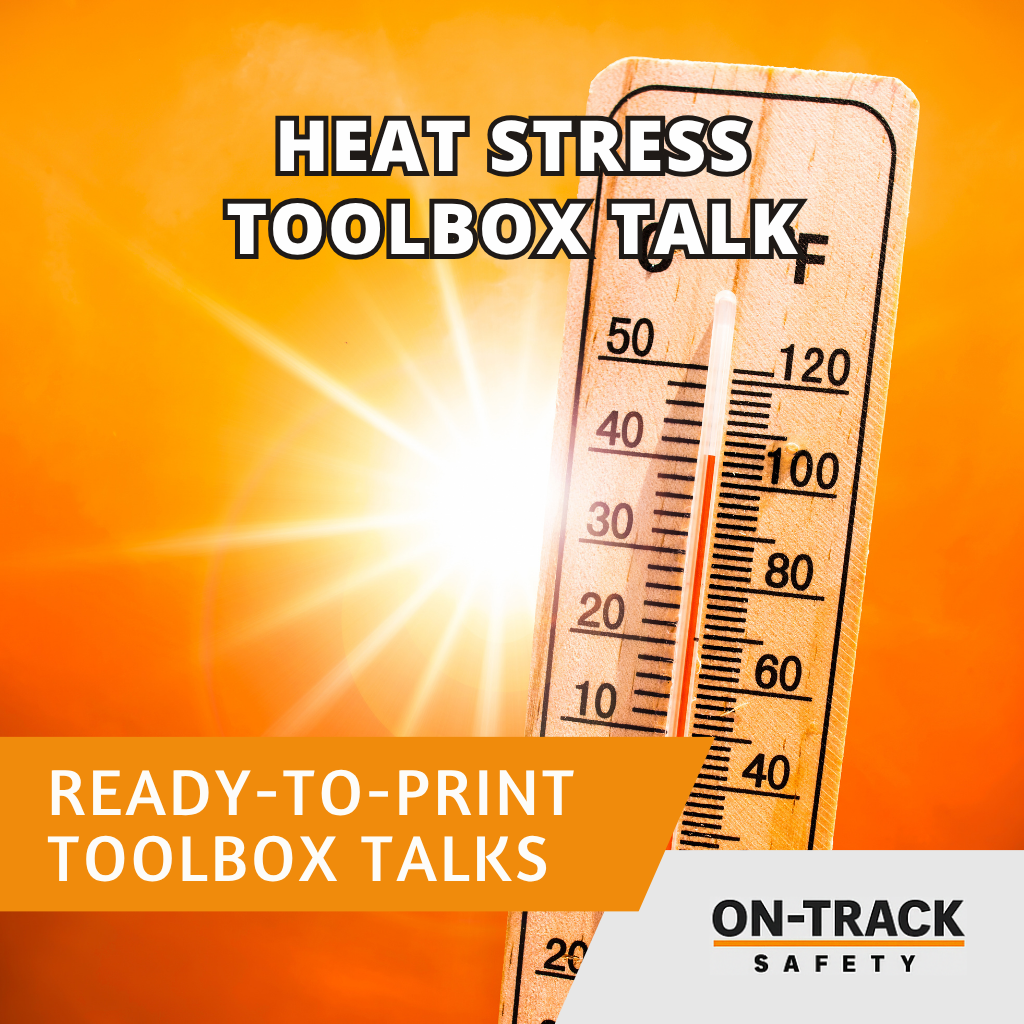
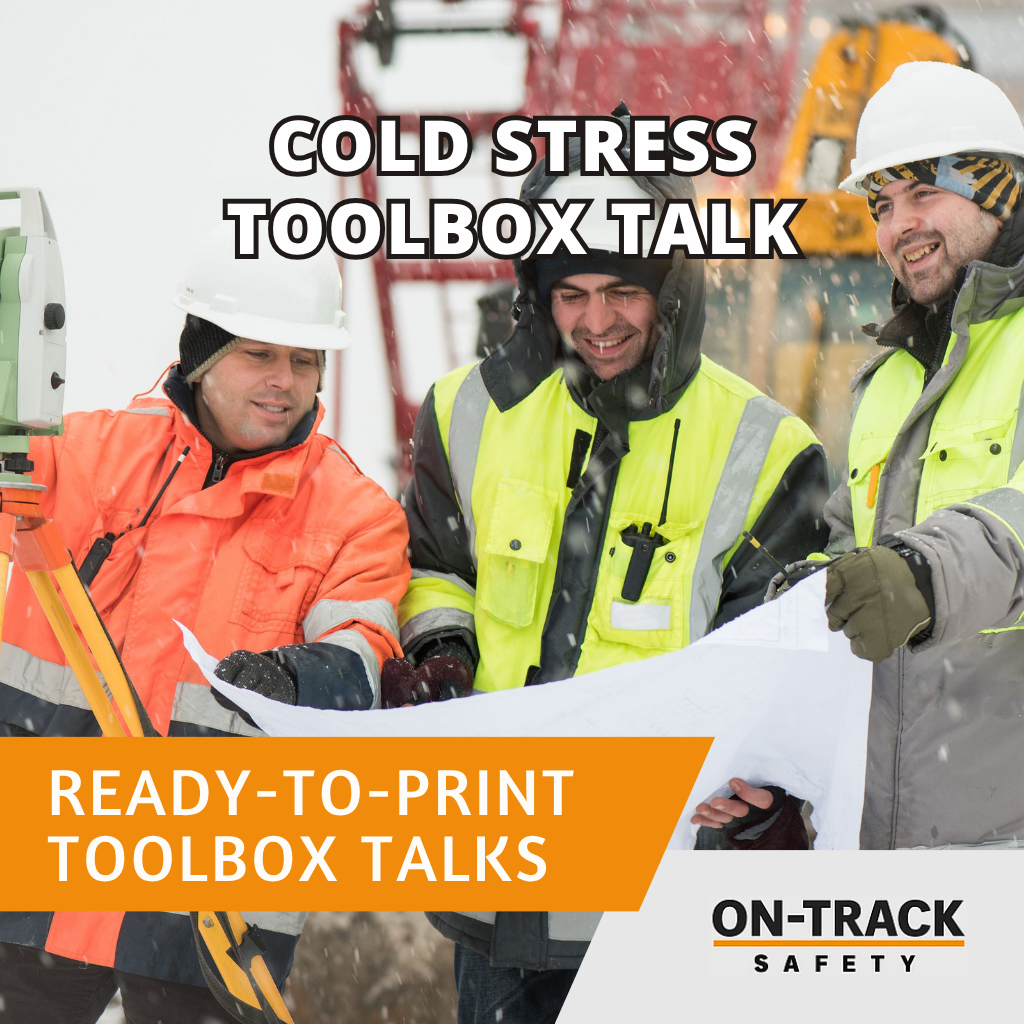
Heat & Cold Stress – Toolbox Talk
Extreme weather isn’t just uncomfortable—it’s a serious health risk.
- Page 1: topic overview, key hazards and best practices
- Page 2: crew sign-in sheet
- Page 3: leader guide for the supervisor
- See how it works below ↓See how it works below ↓
Written by certified COR auditors · Trusted by Canadian contractors for 17+ years · Secure Stripe checkout · Instant delivery + re-download any time from your purchases page
How this talk works
- — Read it to the crew. Why it matters, the key hazards, best practices, a quick self-check and the legislation behind it.
- — Everyone signs. The topic is filled in; add the date, site, presenter, attendees and any follow-up actions. Keep it on file as the record of who attended, which is what COR/SECOR and prequalification auditors look for.
- — Supervisor prep. How to run the talk, discussion questions, visual aids and engagement ideas, and related training.
About this talk
Extreme weather isn’t just uncomfortable—it’s a serious health risk.
This Heat & Cold Stress Toolbox Talk trains your crew to recognise early symptoms of thermal strain, adjust PPE and work schedules to reduce risk, and respond before exhaustion, hypothermia, or heat stroke occur.
Ideal for field crews, facility workers, and seasonal operations that work year-round in changing climates.
What you get
3-page Toolbox Talk Kit
1-page Topic Overview
covers temperature extremes, hydration, PPE impact, work/rest cycles, and symptom recognition
1-page Supervisor Guide
includes demo ideas, discussion questions, visual aid suggestions, and acclimatization best practices
1-page Printable Sign-In Sheet
designed to meet audit-readiness standards for COR/SECOR, ISNetworld, and Avetta
Why this one and not a free handout
- This Toolbox Talk goes beyond “drink water” advice by: Offering hot/cold comparison charts, layering strategies, and buddy system integration
- Highlighting acclimatization timing, decision-making impacts, and early-stage symptoms
- Equipping supervisors with visual walkthroughs and weather check prompts
- Normalizing the importance of speaking up and rotating tasks during extreme conditions
Who it is for
- Crews working in high-heat or freezing field environments
- Year-round construction, oil & gas, maintenance, or landscaping teams
- Internal safety programs focused on seasonal readiness or remote work Compliance with CSA guidelines, OH&S requirements, and safety audit criteria
Common questions
Before you buy
What people ask us about the Heat & Cold Stress – Toolbox Talk.
What is included in the Heat & Cold Stress toolbox talk?
A ready-to-run safety meeting on heat & cold stress, written for Canadian worksites and formatted so a supervisor can pick it up and deliver it without preparation. It includes a leader guide with the discussion points to work through. It also includes a printable sign-in sheet for recording who attended.
How long does the Heat & Cold Stress toolbox talk take to run?
Most crews get through a talk in ten to fifteen minutes, which is what a pre-shift or tailgate meeting can absorb without cutting into the work. The material is written to be read aloud and discussed rather than presented.
Does this count as evidence in a COR, SECOR or ISNetworld audit?
The completed sign-in sheet is the record an auditor generally looks for as evidence that the talk happened and who was there, so keeping the signed sheets on file is what gives the talk its value at audit time. A toolbox talk is hazard communication, though, not formal training - it does not replace certification or competency training where a regulation or a prime contractor requires it.
What format is it, and when do I get it?
It is a digital download in a print-ready format, available immediately after checkout. Print as many copies as your crews need - the licence covers use inside your own company.
Can we add our company name to it?
Yes. The talk is meant to go into your own safety program, so you can add your company name and issue it as your own record.
Who should deliver the Heat & Cold Stress talk?
Whoever runs the pre-shift meeting - normally a supervisor, foreman, or a competent worker familiar with the task. The guide is written so the person delivering it does not need to be a safety professional.
From the team that wrote it
A toolbox talk is one piece of a program.
Talks like this one prove your crew was trained on the day. The rest of the evidence - the manual behind it, and the training records an auditor asks for - is what we build.