Fire bans, hot work restrictions, fire watch duties, wildfire smoke exposure, and remote-site evacuation planning for Alberta and BC worksites, and how each piece fits into your Emergency Response Plan.
Wildfire season in Alberta and BC now routinely runs from April through September, and for any crew working outdoors, in the bush, or on remote access roads, it is not background scenery. It is an operational hazard that changes what you can do on site, how you plan your work, and what your emergency response plan needs to cover. Fire bans shut down hot work without warning, smoke events can last for days, and a single road closure can cut off the only route out of a remote site.
This post does not repeat general emergency planning basics. It focuses on the wildfire-specific pieces that Alberta and BC employers with outdoor or remote operations need to have nailed down before the season starts: fire bans and hot work restrictions, fire watch protocols, air quality and smoke exposure for workers, and evacuation planning when you cannot count on cell service or a single road out.
Fire Bans and Hot Work Restrictions
Alberta Wildfire and the BC Wildfire Service issue fire bans and restricted fire zones at the forest area level, not province-wide, and the restrictions differ by category. A campfire ban is not the same as a full restricted fire zone, and a restricted fire zone can prohibit hot work outright, including welding, grinding, cutting torches, and any open flame, regardless of whether you have a permit from another agency. Bans can change with little notice during a dry stretch, so checking the current status before hot work starts needs to be a daily task, not something confirmed once at the start of a job.
- Check the current fire ban or restricted fire zone status for your specific work area before issuing any hot work permit, every day conditions are dry.
- Know the difference between a fire advisory, a fire ban, and a restricted fire zone. Each carries different restrictions on hot work and open flame.
- Build a hot work permit process that requires sign-off confirming fire ban status, not just PPE and equipment checks.
- Keep a copy of the current fire ban notice on site so supervisors are not relying on memory or an outdated text message.
Fire Watch Protocols
When hot work is permitted, a dedicated fire watch is one of the most effective controls you have. This is a person whose only job during the work is watching for sparks, smouldering material, or ignition, both during the hot work and for a defined period after it stops, since some ignition sources smoulder before flaring up. The fire watch should not be the person doing the welding or cutting, and should not be pulled onto other tasks partway through.
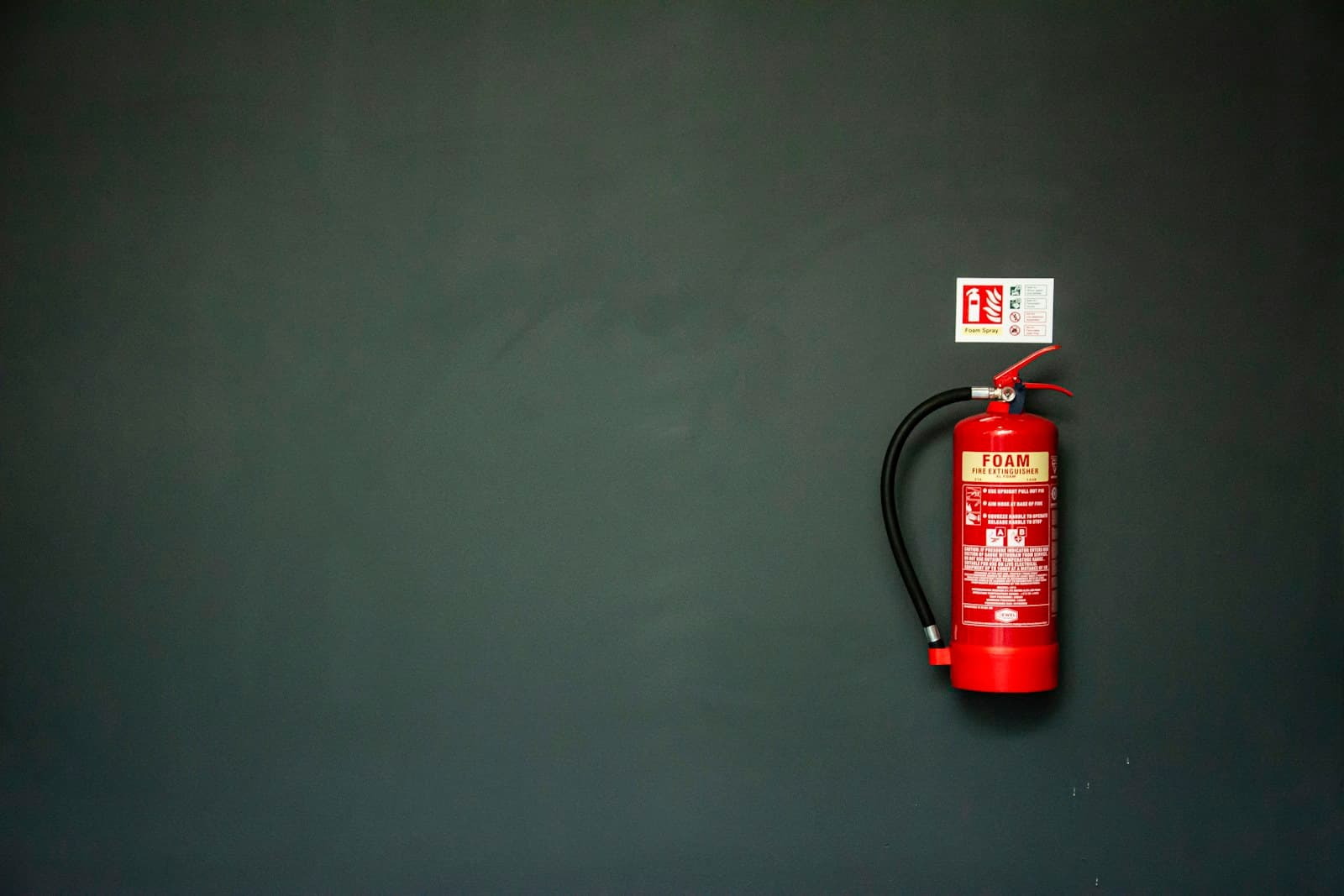
- A fire watch is equipped with a charged fire extinguisher and, where available, a water source or hose, not just verbal instructions.
- The fire watch stays in place for a defined period after hot work stops, not just while sparks are visibly flying.
- Fire watch duties, start and stop times, and any incidents are logged against the hot work permit, not left as an informal understanding.
- Grass, brush, and dry debris are cleared from the hot work area beforehand, and combustible materials are moved back to a safe distance.
Wildfire Smoke and Worker Health
Smoke from wildfires, including fires burning hundreds of kilometres away, can push the Air Quality Health Index into moderate, high, or very high risk categories for days at a stretch. For outdoor workers, that means eye and throat irritation, headaches, coughing, and reduced lung function, with more serious risk for anyone with an existing respiratory or cardiac condition. This is an exposure that needs its own set of controls, separate from general heat or weather planning.
- Monitor the local Air Quality Health Index during smoke events and set a threshold at which outdoor work is modified or paused.
- Reschedule strenuous outdoor tasks to lower-AQHI periods of the day where the work allows it.
- Make properly fitted N95 or higher-rated respirators available for workers who continue outdoor tasks during smoke events, and train workers on correct use.
- Build in additional rest breaks and hydration during smoke events, and provide an indoor or filtered-air space where practical.
- Identify workers with asthma, COPD, or cardiac conditions during pre-work health discussions so smoke-day accommodations are already planned, not improvised.
A fire ban check and an AQHI check take under five minutes combined. Build both into the daily pre-work meeting during wildfire season so they never get skipped when the crew is under schedule pressure.
Evacuation Planning for Remote and Isolated Worksites
Wildfire evacuation planning for a remote site is different from evacuating an office or plant. There may be no cell coverage, only one access road, and no guarantee that road stays open once a fire moves. Your evacuation plan needs to account for all three of those realities specifically, not just point workers toward a generic muster point.
- Identify at least two evacuation routes off the site wherever the terrain allows it, and confirm both with workers before the season starts, not after smoke is visible.
- Establish a communication method that does not depend on cell service, such as satellite phones or two-way radios, and confirm they work from the actual work locations, not just the site office.
- Set a clear trigger for when work stops and evacuation begins, tied to visible fire, official evacuation alerts, or direction from Alberta Wildfire or the BC Wildfire Service, so the decision is not left to individual judgment in the moment.
- Assign a specific person responsible for headcount and confirming all workers are accounted for before anyone leaves site.
- Keep a current worker list and emergency contact information accessible to the site supervisor, not only stored in an office system that may be unreachable.
Building Wildfire Response into Your Emergency Response Plan
Many emergency response plans on file were written around fire, spill, or medical emergencies in general terms, and were never updated with the specifics of wildfire season: who checks fire ban status, what triggers a hot work stoppage, where the evacuation routes and muster points are for a specific remote site, and how workers are notified without cell service. If your ERP does not name these things directly, it will not hold up when a fire ban is issued mid-shift or smoke rolls in overnight.
On-Track Safety Solutions works with Alberta and BC employers to build wildfire season procedures directly into their safety manuals and emergency response plans, and to run site-specific orientations that cover fire watch duties, evacuation routes, and smoke protocols for the crews actually working the site. If your ERP has not been reviewed since last fire season, or you are not confident it addresses hot work restrictions and remote evacuation, get in touch and we can walk through what needs updating before conditions turn dry.</p>